| OCR Text |
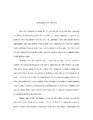
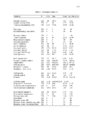
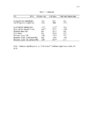
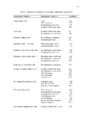
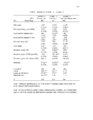
Show 5 geographical diversity of Europe (West, North, East), and also reflect a variety of electoral systems (majoritarian, proportional representation, and mixed). The interviews, presented as vignettes, are used to augment, complement, and/or challenge the findings of the statistical analysis presented in Chapter III. This mixed-methods research design, built on statistical analysis and interwoven with interview material, provides both breadth and depth while also providing the most effective route for testing the strategic interaction model. Getting to Know Niche Parties The remainder of this chapter will offer and explain key concepts central to this research project such as: What is a niche party? Which niche parties are included in the project? How were the niche parties identified? What is meant by "electoral fortunes"? What Is a Niche Party? As Meyer and Miller summarize, "Research on niche parties is marked by substantial variation in defining and measuring niche parties" (2015, 259). While most agree that niche parties are distinct from mainstream parties, in what respects is still highly debated. I will review the key debates surrounding niche parties before introducing my own conception based largely off the minimalist approach. In the literature, the primary conceptual debate centers around whether niche parties compete on the traditional left-right dimension (which is often associated with economic topics from free market on the right to state intervention in the economy on the |