| OCR Text |
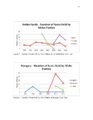
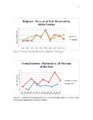
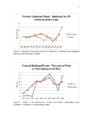
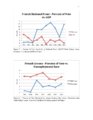
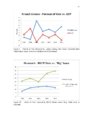
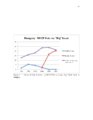
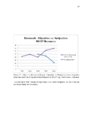
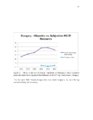
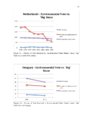
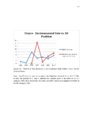
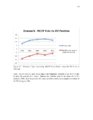
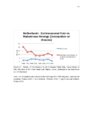
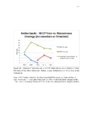
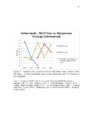
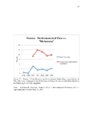
Show 44 an increasing inflow of foreign population, but despite MIEP's greatest electoral success in 1998, its percent of the vote steadily declines in subsequent elections while inflows of foreign population continue to increase. The other MCCP niche, Movement for a Better Hungary (Jobbik), had a weak first election, when it competed in an electoral alliance with MIEP in 2006, but then, when competing individually thereafter, experienced significant electoral gains. Perhaps given the failure of MIEP to reduce inflows, it was punished electorally, and Jobbik was later seen as a more viable party (to voters and mainstream parties) to address the minority containment issues. Moreover, the slowing inflow from 2010 to 2014 could be a consequence of Jobbik's electoral success by either directly shaping policy or indirectly shaping policy by forcing mainstream parties, like the Hungarian Civic Union (Fidesz), to address the issue. Furthermore, some authors suggest that it is not necessarily the actual levels of minority presence that determine MCCP niche success but rather perceptions of these levels (Golder 2003, 448; and de Vreese and Boomgaarden 2005, 60). Others, like Kitschelt, as explained by Golder, do not find this to be a detrimental limitation in so far as "there is not a great deal of difference between subjective and objective measures of the foreign population in west European countries anyway. He [Kitschelt] found that in exactly those countries that actually did have relatively large numbers of immigrants, more people thought there were too many foreigners" (Golder 2003, 445). Figures 12 and 13 seem to reveal that there are, in fact, differences in the objective versus subjective measures. In keeping with the cases of Denmark and Hungary, looking at the inflows alongside the Eurobarometer public opinion poll of what percentage of respondents listed immigration as one of the top two issues facing his/her country, there appears to be an |