| OCR Text |
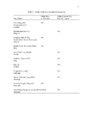
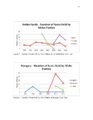
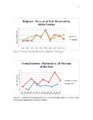
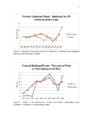
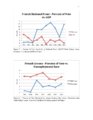
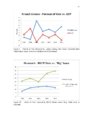
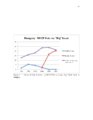
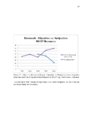
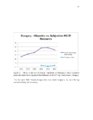
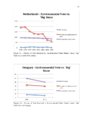
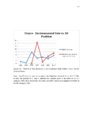
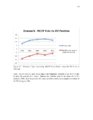
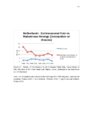
Show 55 I tried to lag variables either one or two years but not more than that because in some PR systems, elections took place in a close, almost yearly, fashion. I ended up including the time minus one (t-1) option for the models presented in Chapter III. As a final note, I have not included separate hypotheses for the lagged variables because they predict the same relationships as the non-lagged versions (for GDP see H5; for unemployment see H6; and for inflation see H7). To summarize, the socioeconomic approach encompasses three areas: economic conditions, the "big" issue of niche parties, and Inglehart's postmaterialism. The literature suggests that these factors will influence the niche parties differently. The MCCP niches are hypothesized to achieve higher levels of electoral success when economic conditions are declining or dismal, when the presence of minority groups increases, and when voters associate with the material side of Inglehart's cleavage. In contrast, environmental niches are hypothesized to flourish when the economy is faring well or increasing, in the face of poor environmental conditions like growing levels of pollution, and when voters identify with the postmaterial cleavage. Moreover, it is also meaningful to examine interaction terms, which can add depth and complexity to the analysis, and lagged variables, which can reveal a more realistic relationship between factors since their impact is not necessarily instantaneous. Finally, from examining the case studies and visuals of the variables and relationships, there seem to be limits to the socioeconomic explanations. For some election years, and in some cases, the relationships were as hypothesized, but other times not. Overall, the findings at this stage were hit and miss. Given the apparent limitations of the socioeconomic explanations on their own, these factors, along with institutions, are |