| OCR Text |
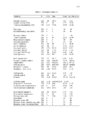
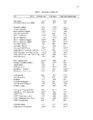
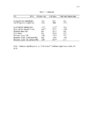
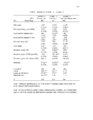
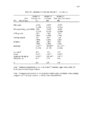
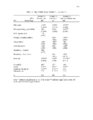
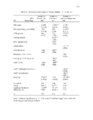
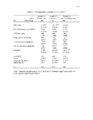
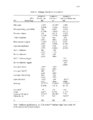
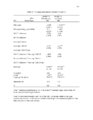
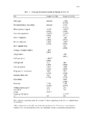
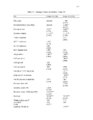
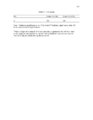
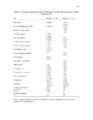
Show 119 Chapter II, the seats dependent variable fared best with institutions and, slightly surprisingly, socioeconomic factors. The "nicheness" of mainstream parties' platforms dependent variable was stronger among the socioeconomic cluster, all except the measures of postmaterialism, and finally, the percent of vote dependent variable saw more variation explained by the strategic cluster. None of these clusters, individually, were able to explain the variation across all the different measures of success represented by the three dependent variables. The overall R-squared results, indicating goodness of fit, were quite low - most were .2 or less, meaning that less than 20 percent of the variation in the dependent variables was explained by the independent variables. The one exception for this was Model 1.2, testing the seats dependent variable with the institutional cluster, where the overall R-squared was .57. Aside from that result, there is still considerable variation to be explained in niche party success, which offers more supporting evidence for a combination approach, like offered by the strategic interaction model. To truly understand and explain the variations in the electoral fortunes of niche parties, the strategies employed by niche and mainstream parties must be examined in the socioeconomic and institutional context. Strategic Interaction Models It is time to turn to the models that incorporate elements from the institutional, socioeconomic, and strategic clusters thus testing the strategic interaction model. For the models presented, I have opted to use robust standard errors. Using a modified Wald test can indicate the presence of heteroskedasticity and thus the necessity of using robust standard errors, which is true of my models. Not only do robust standard errors deal with |