| OCR Text |
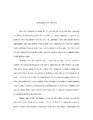
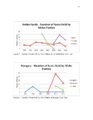
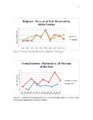
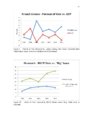
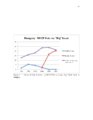
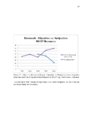
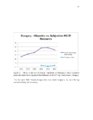
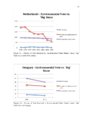
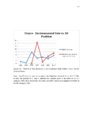
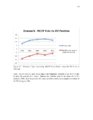
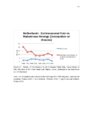
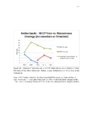
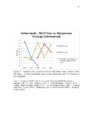
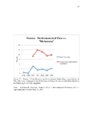
Show 50 hypothesized relationship of increasingly positive mentions pairing with increases in percent of the vote received. Even amongst the MCCP niche parties, high levels of Euroskepticism are not necessarily associated with greater electoral success. In the case of Denmark, see Figure 17, the Danish People's Party (DF) has, in the long run, decreased its unfavorable mentions of the EU. Although still a negative number and Euroskeptic, but to a lessening degree, its percent of the vote over the same period has primarily increased. Along the same lines, the Dutch MCCP Party for Freedom (PVV), put forth a much more Euroskeptic party platform for the 2012 election, moving from a score of -5.3 to -19.4, and the party experienced a 5 percent drop in the percent of vote it received in the election, see Figure 18. Overall, in looking at these three figures, it appears that extremes, whether pro or anti-EU, do not necessarily court greater electoral success. Finally, there are three other factors that can indicate the degree of postmaterialism within a state and society: level of social protection, GDP per capita, and employment in services. Unlike parties' position on the EU that can vary both between and within states, these three factors will be more insightful in explaining differences in the electoral success of niche parties between countries rather than niche parties competing in the same state. In most states, these measures are continually increasing over time - GDP per capita increases, more of employment is in the service sector, and there are higher expenditure levels on social protection over the years. This would indicate that all European countries are becoming more postmaterialist, but they started at different points and are progressing at different rates. The most notable differences should be seen between the more developed Western European states versus |