| OCR Text |
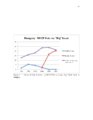
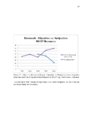
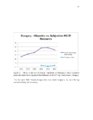
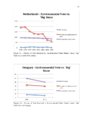
Show 54 high unemployment levels might only affect electoral success when coupled with instances of higher inflows of minorities into the country (Golder 2003, 454). Hypothesis 14: The unemployment rate can only increase the electoral success (percent of the vote, number of seats, and movement by mainstream parties on niche issues) of MCCP niche parties when it is tied with high levels or inflows of minorities. It is entirely possible that there are other conditional relationships that would benefit from the nuanced insight interaction terms can offer. For example, in applying the same logic for environmental niche parties, the interaction of environmental factors and economic conditions could operate in a similar fashion. Essentially, environmental conditions only matter when the economy is relatively prosperous. With the interaction terms, charts and figures that have been explored for previous factors and explanations in this chapter will yield little insight here as they are unable to adequately capture the interaction, so a more lengthy discussion will be reserved for Chapter III when more advanced techniques will be employed. Hypothesis 15: Levels of environmental degradation can only increase the electoral success (percent of the vote, number of seats, and movement by mainstream parties on niche issues) of environmental niche parties when it is accompanied by prosperous economic conditions (like GDP growth). The second aspect focuses on lagging variables, which means that factors are no longer assumed to have an instantaneous impact. Rather, it could take a year or more for the effects of socioeconomic factors to affect voters and niche party success. For example, if the annual inflation rate increases in an election year, will voters feel the pinch of higher consumer prices quickly or will it take a year or more for individuals to feel the strain on the pocketbook and thus react (Lewis-Beck 1988)? Based on the literature, I experimented with lagging a variety of variables but ultimately only included lagged versions of the economic factors: unemployment, inflation, and GDP. Moreover, |