| OCR Text |
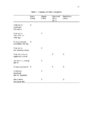
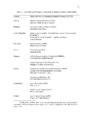
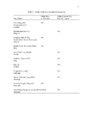
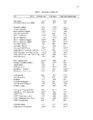
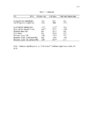
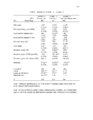
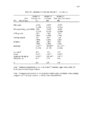
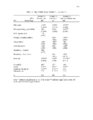
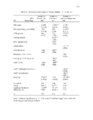
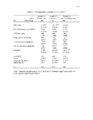
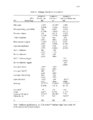
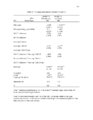
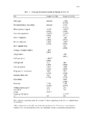
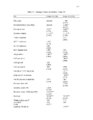
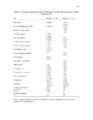
Show 111 level into the first round of the regional elections in December 2015, and is hoping, especially as the refugee crisis continues, into the next presidential elections in 2017. Socioeconomic Cluster The socioeconomic variable cluster has four areas to discuss: economic conditions (Hypotheses 5-7), the "big" niche issue (Hypotheses 8-9), Inglehart's postmaterialism (Hypotheses 10-13), and interaction terms (Hypotheses 14-15). These factors can determine how appealing voters find a party, and the ability of a party to mobilize support around conditions and issues. Unlike the institutional approach, socioeconomic factors can affect niche parties differently. Models were tested for components of the socioeconomic cluster and the findings are in Tables 10-13. Overall, the socioeconomic cluster of variables could least explain the percent of votes a niche party received dependent variable, but fared better with the "nicheness" of the top three mainstream parties' platforms dependent variable. In looking first at the "nicheness" of the top three mainstream parties' platforms dependent variable, there was at least one statistically significant slope coefficient for all the socioeconomic models except the postmaterialism model, which closely matches the results of the bivariate correlations. For example, for every one percent increase in a country's GDP growth or one percent increase in electricity that comes from fossil fuels, or every time the inflow of foreign population increases by 1000, the attention the top three mainstream parties dedicate to niche issues in their platforms increases by .6 percent, .11 percent, and .04 percent, respectively.28 This indicates that changes in the 28 The lagged versions (t-1) of GDP growth, unemployment, and inflation did not fare as well in the models as the time (t) versions, so only the latter have been included in Table 10. |