| OCR Text |
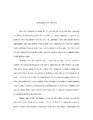
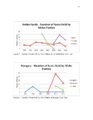
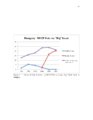
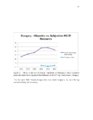
Show 69 To acquire some initial insight, the case of Hungary will be briefly considered. In the 2014 election, Dialogue for Hungary (PM), an environmental niche, ran as part of the Unity Alliance that included the mainstream Socialist Party (MSZP) and three other parties. The coalition contained parties who opposed Prime Minister Orbán's constitutional changes and desired to present an anti-Fidesz and Orbán and prodemocracy position (Mudde 2014). In the election, the Unity Alliance secured 25.6 percent of the vote and 38 seats in the legislature. PM was awarded one of these seats. While that may not seem like a huge electoral success, PM individually as a party is only estimated to have brought 2 percent of the vote to the alliance. This means, alone, it would be below the 5 percent electoral threshold and would not have received any representation if not part of the electoral alliance, which is in line with the hypothesis. Number of Political Parties and Presence of Rivals I have included the total number of political parties contesting an election as a strategic rather than institutional factor primarily because parties can choose to compete knowing they may not win any seats, given the electoral system and threshold, but desiring to detract from other parties, bring attention to issues, split votes, or serve as a means of protest (Jackman and Volpert 1996, 506-507).18 Furthermore, as a result of internal disagreements, factions, and/or discontent with policies, strategies, and platform position, niche parties can and do splinter (Norris 2005, 44). As Adams et al. explain, "When niche parties' elites attempt to change their party's 18 The total number of political parties is different from the effective number of political parties, which is more a measure of party-system fragmentation. The effective number of parties adds weight based on a party's relative strength. I am more interested in all parties, not just the strong ones, as the number of smaller parties competing is just as relevant to explaining the success of niche parties. |