| OCR Text |
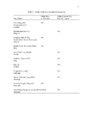
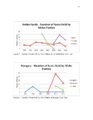
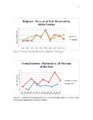
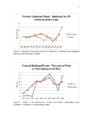
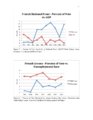
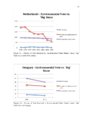
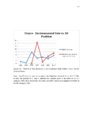
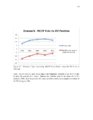
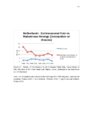
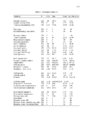
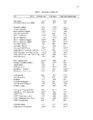
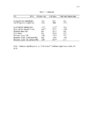
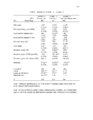
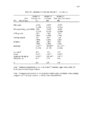
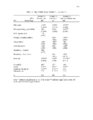
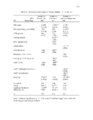
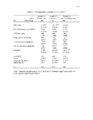
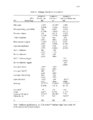
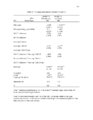
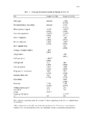
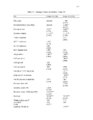
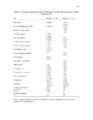
Show 161 MCCP niches and mainstream parties are not, in most countries, willing, or even reluctant, bedfellows. In countries like France, there is a longstanding agreement, although growingly strained, among mainstream parties to not cooperate with the French National Front (FN) (Horobin and Meichtry 2015). Voters, on the other hand, who are responsible for determining the percent of vote parties receive, do not appear to be driven by the same information as parties. In looking at the percent of the vote that niche parties received in elections, few, if any, of the socioeconomic indicators were statistically significant. While weak overall, socioeconomic factors, largely absent in the between cases model from Chapter III, did slightly better at explaining within case variation. To illustrate, an environmental niche party, like France's Europe Ecology-The Greens (EELV), is expected to slightly suffer in elections when the stock of international migrants, as a percentage of the total population, is higher. This helps explain variation in the success of a single party over time, but there was not sufficient evidence to say that migration levels explain variations in the success of the EELV relative to GreenLeft in the Netherlands, for example. Overall, the weak showing of the objective socioeconomic indicators seems to suggest that voters may be influenced more by the subjective - how they perceive the minority levels in their countries, the environmental conditions, and the economy (Golder 2003; de Vreese and Boomgaarden 2005). As mentioned in Chapter II, this is an avenue of interest, yet due to data limitations, it had to be excluded from this project. Now I have more evidence supporting the possible importance of subjective measures, and if I expand the types of niche parties included, a possibility explored in the first section of this chapter, this difference between voters relying on their perception of the |