| OCR Text |
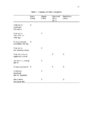
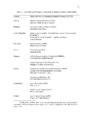
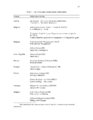
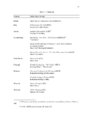
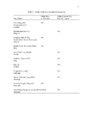
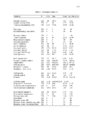
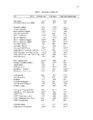
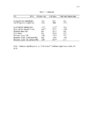
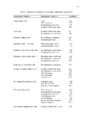
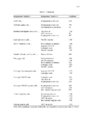
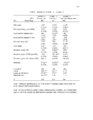
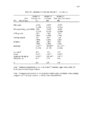
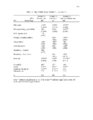
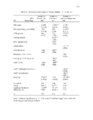
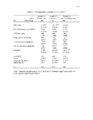
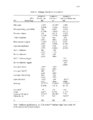
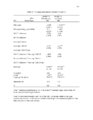
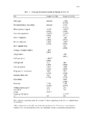
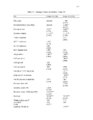
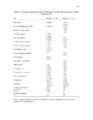
Show 91 alliance or supporting a governing coalition as these strategic decisions will impact their electoral fortunes. These and many other findings will be discussed in this chapter. To test the models and reach these aforementioned results, I constructed a dataset of the relevant institutional, socioeconomic, and strategic variables to test against the three dependent variables (percent of the vote, seats, and "nicheness" of mainstream parties). The sample includes 42 niche parties that passed the two criteria laid out in Chapter I and a total of 228 observations: 26 environmental niche parties comprising 146 observations and 16 minority containment/cultural protection (MCCP) niche parties comprising 82 observations. These include cases from 21 European Union (EU) states and span from 1973-2014.20 Both the time period covered and the countries included were driven by the available data.21 To achieve the mixed-methods research design, the quantitative analysis, offered by the dataset, is further augmented by the inclusion of selected material, as vignettes, from semi-structured interviews of party leaders, staff, and elected representatives that I conducted in my four case study states of Denmark, the Netherlands, France, and Hungary. The fieldwork was conducted from February 8 - March 2, 2014. I traveled to Brussels, The Hague, Copenhagen, and Budapest to conduct elite interviews with members of the national parliament (MPs), members of the European Parliament (MEPs), and party officials. I conducted interviews with individuals both from niche and 20 From this time frame, there are elections in 37 of the years. While there was at least one election every year from 1980 to 2014, prior to that there were only elections in 1973 and 1978. Moreover, some years contain more elections than others. Among the top years include: 1992 (12 elections), 1998 (10 elections), 2002 (15 elections), 2006 (14 elections), 2010 (13 elections), and 2014 (13 elections). This creates an unbalanced dataset meaning that there are not exactly the same number of observations across cases and time. 21 There were no data available for the necessary niche parties in Croatia, Cyprus, Greece, Lithuania, Malta, Spain, and the United Kingdom, which is why only 21 of the 28 EU states are represented in the dataset. |