| OCR Text |
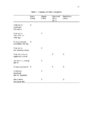
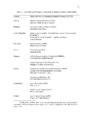
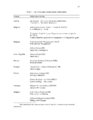
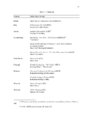
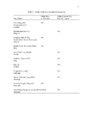
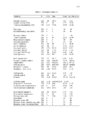
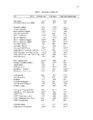
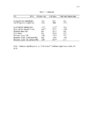
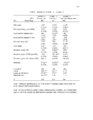
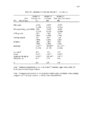
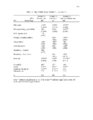
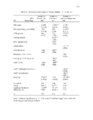
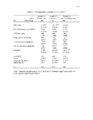
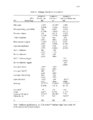
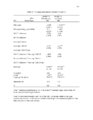
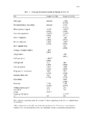
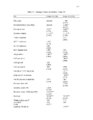
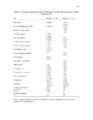
Show 97 fortunes, it is necessary to examine them individually and jointly. The remaining variables, not yet mentioned, are the year of the election (a necessity for the time-series aspect); a dichotomous variable to indicate the type of niche party (MCCP or environmental); and a dichotomous variable based on entry into the EU (part of the expansion from 2004 on or not), which also gives some geographical distinction between Western Europe and the Central and Eastern European countries. The descriptive statistics (N, minimum, maximum, mean, and standard deviation) for the variables mentioned above, excluding the interaction terms and lagged versions, can be found in Table 6. For a complete list of all the variables collected, how they were measured, and the sources, see the Appendix. Bivariate Correlations Having presented the variables, the next step is to examine the bivariate correlations, which will provide some basic insight into the relationships between the dependent variables and independent variables. Before examining the findings for each of the three dependent variables, it is important to make two notes: First of all, due to the large number of independent variables, it is impractical to include the full correlation matrix. Therefore, I have created two tables, one that includes the three dependent variables against the range of independent variables as illustrated in Table 7, and a separate table (Table 8) that lists other noteworthy correlations between the independent variables. Secondly, it is essential to explain what information bivariate correlations can and cannot provide. They can indicate the relative strength of a relationship (on a -1 to 1 |