| OCR Text |
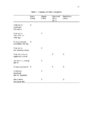
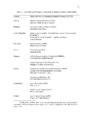
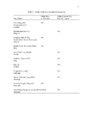
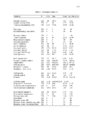
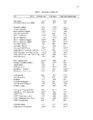
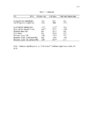
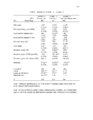
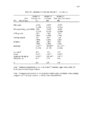
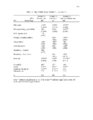
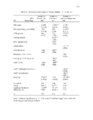
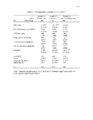
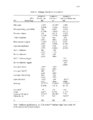
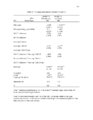
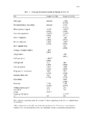
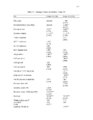
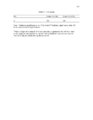
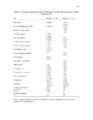
Show 113 ripe, but rather also includes battling other actors with considerable reach and resources who could also be supporting mainstream competitors. Turning to look at the seats dependent variable, one variable (the party type variable) was consistently statistically significant and negative across all the socioeconomic models, which, as a dichotomous variable, indicates that environmental niche parties receive fewer seats than MCCP niche parties. The unstandardized regression coefficients ranged from -5.3 to -12.2. The other point of interest in looking at the seats dependent variable is, surprisingly, how many more of the socioeconomic variables were statistically significant compared to the percent of vote dependent variable. One would expect that socioeconomic conditions would influence voters, and thus factor into the percent of vote a niche party receives, which is more what the bivariate correlations signaled. This is similar to Chapter II (Figure 6), for example, where the French unemployment rate matched up nicely to the percent of vote received by the National Front, an MCCP niche. The impact of socioeconomic conditions is less expected for seats, however, which are allocated based on the percent of vote received. What Table 10 shows is that greater periods of unemployment coincided with niche parties obtaining a higher number of seats. It is hard to rationalize how for every one percent increase in the unemployment rate, a niche party will get another 3/5 of a seat (.6). One option to explain this finding could be that changes to the electoral system coincide more with changes to the socioeconomic conditions and thus appear to impact the distribution of seats. For example, Hungary changed features of its electoral system before the 2014 election, and this change could have been a result of or coincided with certain socioeconomic conditions, like a growing economy or shrinking unemployment, |