| OCR Text |
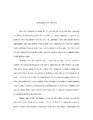
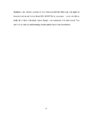
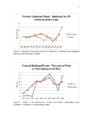
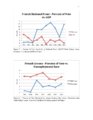
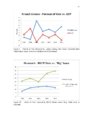
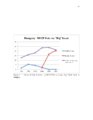
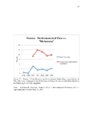
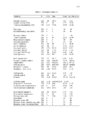
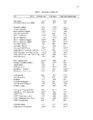
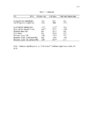
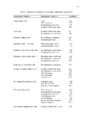
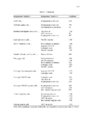
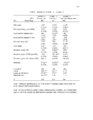
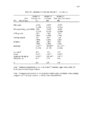
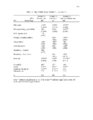
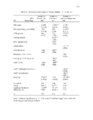
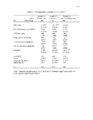
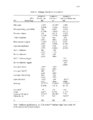
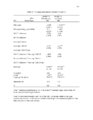
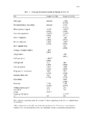
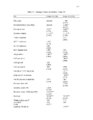
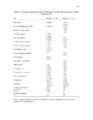
Show 130 "Nicheness" of Mainstream Parties' Platforms One of the main features in Table 18 that stands out is that mainstream parties are more likely to respond, by altering their party platforms, to actions or results rather than words. More specifically, the top three mainstream parties did not respond to how "niche" the niche party platforms were in the last election (the words), H18, but they did respond to how many seats a niche party received in the last election (actions/results). What is also of interest is that the sign for the lagged seats independent variable is unexpected. One would expect that as a niche party is more successful, acquires more seats, the mainstream parties would respond by addressing the niche issue more in the next party manifesto, but it is just the opposite. For every one seat a niche party received in the last election, the percent of the top three mainstream parties' platforms dedicated to niche issues decreases by .31. This could indicate that as a niche party is more successful, electorally, its ownership of the "big" issue is recognized and reflected, to some degree, in the platforms of the mainstream parties. In all actuality, this relationship could be even more complex - that mainstream parties do not respond to niche party platforms, but do respond to other types of words like speeches. From the interviews, it was clear that mainstream parties can find themselves between a rock (pressure from a niche party) and a hard place (pressure for their traditional electorate). This pressure could stem from speeches made by niche party leaders. Bas Eickhout, an MEP for the Dutch GreenLeft, described what he saw unfolding in the Netherlands between the People's Party for Freedom and Democracy (VVD), a mainstream liberal-conservative party, and Party for Freedom (PVV), an MCCP niche party. He explains, |