| OCR Text |
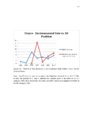
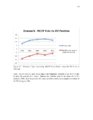
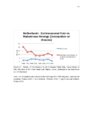
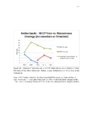
Show 162 socioeconomic conditions and parties relying on objective measures can be further explored. Interactions: More Work to Be Done I anticipated that interactions would play a central role in explaining the variations in success experienced by niche parties, but the results fell short of my expectations. Several different interactions were considered, such as between socioeconomic variables (Golder 2003), like that inflows of foreign population only influence voters when unemployment is high, and strategic variables, like that "nicheness" of the platforms of niche parties only influence the electoral success of niche parties when mainstream parties try to coopt the niche issue or take an adversarial stance in their platforms. In particular, interactions were a central feature of my strategic interaction model that argued that the success of niche parties depended upon how the strategies of mainstream parties and niche parties played out in a particular socioeconomic and institutional context. Of the two primary goals of this research project, to add in niche party strategy and to test the strategic interaction model, the latter was the weaker finding. Despite the poor showing of interaction terms, I think they need to be fine tuned or revised rather than discarded. I think the weak performance of the interaction terms is due, in part, to other points raised in this chapter. For example, in terms of socioeconomic interactions, I relied on the objective measures to create the interaction terms, which, as previously discussed, may be the basis for party decisions, like what to include in its platform, but is less the basis for decisions made by voters. Obtaining sufficient subjective data, such as public opinion polls, and using that as the basis for |