| OCR Text |
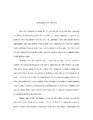
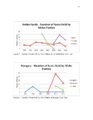
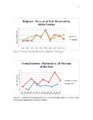
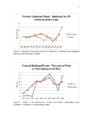
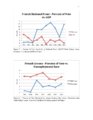
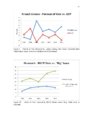
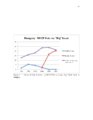
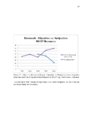
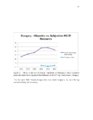
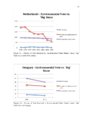
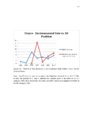
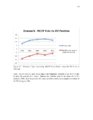
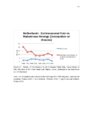
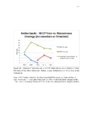
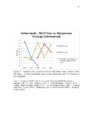
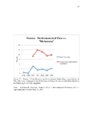
Show 46 that voters will support environmental niche parties (Dalton 2006, 112-114). Hypothesis 9: As environmental conditions worsen, the electoral success (percent of the vote, number of seats, and movement by mainstream parties on niche issues) of environmental niche parties will increase. Environmental niche parties have a longer presence in Western European states, with many starting to compete in elections in the early 1980s, so, once again, Figures 14 and 15 compare and contrast a more established example in the Netherlands against a more recent party development in Hungary. In the Netherlands, when looking at both air pollution levels and the percentage of electricity derived from fossil fuels, neither corresponds as hypothesized to the electoral success of the environmental niche party Green Left (GL). Both of these environmental indicators have continually, if not incrementally in the case of electricity derived from fossil fuels, decreased over time, which does not explain the small rises and falls in percent of the vote received by GL. In contrast, the Hungarian case does present as hypothesized. While there are only two observations thus far, Politics Can Be Different (LMP) saw a decrease in its success alongside improving environmental conditions - less air pollution and decreasing reliance on fossil fuels. It remains to be seen if this pattern will persist with future elections. Inglehart's Postmaterialism A frequently employed framework among social scientists, including those studying niche parties, is Inglehart's postmaterialism thesis. The postmaterialism thesis has been used to explain why certain issues like the environment and migration have become more politically relevant with newer generations (Inglehart 1997). Indicators of postmaterialism to be included in my models are support for EU integration, the level of |