| OCR Text |
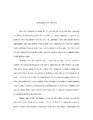
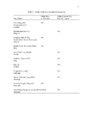
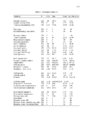
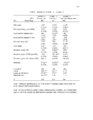
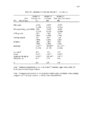
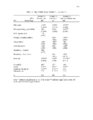
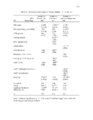
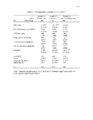
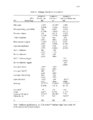
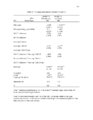
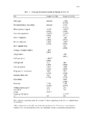
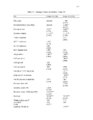
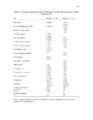
Show 127 Number of Seats As expected and as noted with the bivariate correlations and cluster models, the number of seats a niche party receives does depend on the institutions in place. Part of this is the percent of vote a niche party receives, since that will be the starting point for how votes are translated into seats. For every one percent increase in vote received, a niche party gets about 1.4 seats. Moreover, as expected in H1, utilizing a single-member district or majoritarian type of electoral system does negatively impact niche parties, who can expect 38 fewer seats than other systems, which is a hefty disadvantage. The electoral threshold coefficient was also statistically significant but the sign was contrary to H2. For every one percent increase in the electoral threshold, a niche party is expected to get an increase in almost three seats. This could indicate that niche parties who are able to pass the electoral threshold do see an extra little bump in their seats as the allocation of seats is adjusted based on how many political parties failed to cross the threshold. Another explanation for this finding could be that niche parties do not frequently struggle to pass the thresholds in their countries. As party systems continue to change and voters have less allegiance with traditional mainstream parties, it is no longer unusual to vote for other parties, including niche parties. While much of the literature and these results indicate that the type of electoral system matters for niche parties, when asked about if and how the recent change in Hungary preceding the 2014 election, such as changing voter turnout rules, shrinking the number of seats from 386 to 199, would impact the LMP, Dr. Tamás Meszerics of Central European University responded, Not significantly. Because even without, had there not been a significant change in the electoral system and in the media also, we could not have expected, we |