| OCR Text |
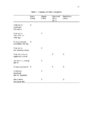
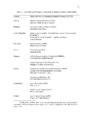
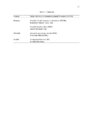
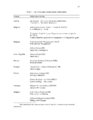
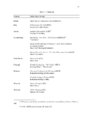
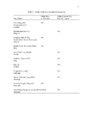
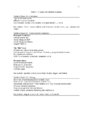
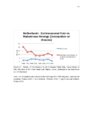
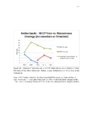
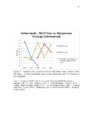
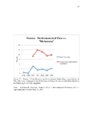
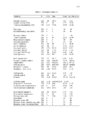
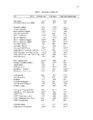
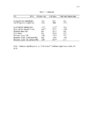
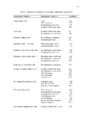
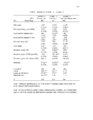
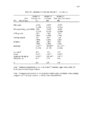
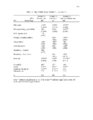
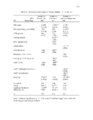
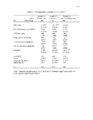
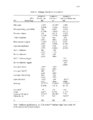
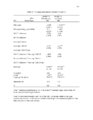
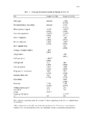
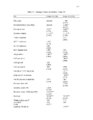
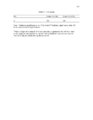
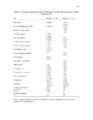
Show 102 significant correlations among the strategic independent variables. Of particular interest is that the lagged environmental and MCCP "nicheness" variables are both statistically significant, although the signs differ. For MCCP niche parties (r = .201), an increase in their dedication to their "big" issue is associated with a corresponding rise in mentions of the niche issue by the top three mainstream parties in the next election. For environmental niche parties (r = -.219), it is once again negative, meaning that an increase in their dedication to their "big" issue is associated with the top mainstream parties decreasing their mentions of the niche issue in the next election. It should also be mentioned that the "nicheness" of mainstream parties is also used as an independent variable for the other two dependent variables, it is both an aspect of electoral fortunes and a strategic choice of how much attention to pay, if any, to the niche parties and their issues, so some of the flagged statistically significant independent variables in Table 7 are pieces, individually or in interaction terms, of the dependent variable. In direct contrast to the seats dependent variable, the mainstream "nicheness" dependent variable has more statistically significant correlations among the socioeconomic factors and none with the institutional factors. To illustrate, as measures of postmaterialism - GDP per capita (r = .255) and employment in services (r = .258) - increase, the top three mainstream parties dedicated more of their platforms to the niche issues. Moreover, when economic conditions are favorable, like GDP (r = .179) increasing, mainstream parties devote more attention to niche issues, but when economic conditions are less favorable, like higher unemployment (r = -.147), mainstream parties devote less attention to niche issues in their party platforms. In addition to the bivariate correlations between the three dependent variables and |