| OCR Text |
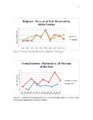
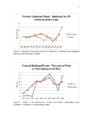
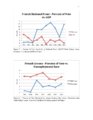
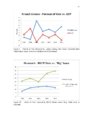
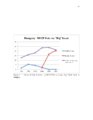
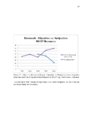
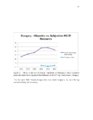
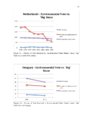
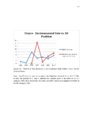
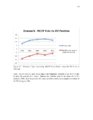
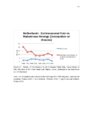
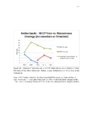
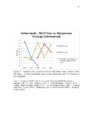
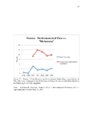
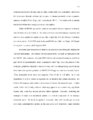
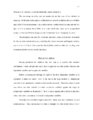
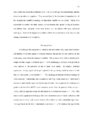
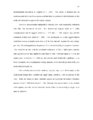
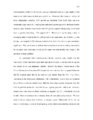
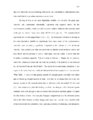
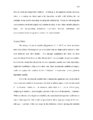
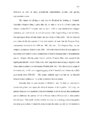
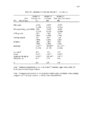
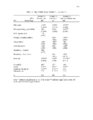
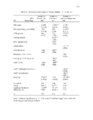
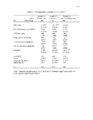
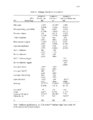
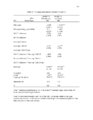
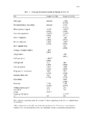
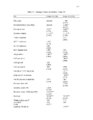
Show 95 the top three mainstream parties' platforms dedicated to MCCP issues; and the sum total percent of the top three mainstream parties' platforms dedicated to the opposite of the MCCP niche (i.e., MCCP coding would include negative mentions of refugees and minorities, for example, where the opposite would be positive mentions of refugees and minorities. Similar opposite categories do not exist for the environmental issues). The data from Manifesto Research on Political Representation (MARPOR), which continues and expands the work and dataset of the Comparative Manifesto Project (CMP) and Manifesto Research Group (MRG), is a primary source for many of the strategic variables-all those dealing with the coding of party platforms, as well as one of the dependent variables: the total sum of the top three mainstream parties' platforms dedicated to niche issues. It is important, then, to take a short detour to address some criticisms of these data (Volkens et at. 2016). Mikhaylov, Laver, and Benoit (2009, 2012) raise concerns over misclassification and unreliability. Misclassification is the concern that human coders will make systematic errors in applying codes to text, or in other words, the concern that if two coders were given the same manifesto the results would differ significantly, making the findings based upon these data biased and unreliable (Mikhaylov et al. 2012, 79). On this front, MARPOR is continually striving to improve their coder training. For example, they now require training and passing an exam in order to contribute to the project and they include a score for coder reliability (Krippendorf's Alpha) as part of the dataset. Moreover, each release/update has been trying to improve upon older data, where concerns have been raised, by replacing and/or correcting data. On top of that, MARPOR has been digitizing the manifesto collection (known as the Manifesto Corpus), making it available for |