| OCR Text |
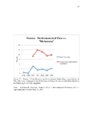
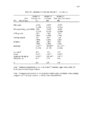
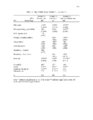
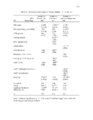
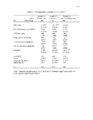
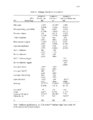
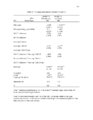
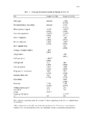
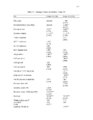
Show 121 Niche parties that have previous coalition experience are expected to see a decrease in their percent of the vote by approximately 1.5. This supports H20, and adds support to the growing consensus that niche parties do not often benefit from participating or supporting a governing coalition. The interviews provided a more in-depth take on coalition. The Danish People's Party (DF), a MCCP niche, participated in governing coalitions for about a decade. When asked about the advantages and disadvantages, Søren Espersen, Foreign Policy Spokesman and Deputy Chairman of DF said, I think that we had quite a lot of benefit. We had a very good arrangement, especially with the Liberal Prime Ministers in those days … We would help them all we could in economic politics if they could reward us with things that meant something to us, it could be that we introduced the border control for a few months before it was taken away again [due to Denmark's membership in the EU's free movement Schengen Area]. (2014) On the other hand, however, he went on to explain, There were number of things that were unpopular, that we would rather not have done. For a coalition government, you have to give and take. I think that our voters, after a while, realized that that is the way it works, and so they were not shocked. (2014) His statement seems to indicate that there is an adjustment period, for voters, to realize that niche parties in coalitions will be required to make compromises. Not all niche parties get nearly a decade of coalition experience; in fact, many get one shot, which is perhaps not sufficient time for voters and the niche party to adjust to the new realities of a coalition. Moreover, even some mainstream parties recognize the challenges of being in a governing coalition, especially if voters are seeking quick changes. As Marit Maij, a member of parliament (MP) for the Labor Party (PvdA) in the Netherlands, explained |