| OCR Text |
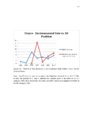
Show 32 niche, Europe Ecology-The Greens (EELV), whose first electoral competition happened to be in 1986, did not match this burst of electoral success experienced by the FN. EELV received 1.21 percent of the votes and no seats in 1986 and .35 percent of the vote in 1988 and still no seats. Essentially, not all niche parties were able to take advantage of this opportunity in France. The temporary surge for the FN in 1986 was, however, largely an unexpected consequence of strategic decisions made by the mainstream parties to further their own interests. The French government, led by the Socialist Party (PS) who came to power in 1981, was acting upon a campaign promise to introduce a more proportional electoral system. As William Pfaff of the Montreal Gazette explains, There was calculation in it too, since the Socialists, and the left as a whole, have nearly always been a minority in France but a very large one, constantly frustrated by the winner-take-all system. Under proportional representation, they would be sure of a solid place in future parliaments, and the chance to enter governing coalitions, no matter what the overall outcome. (1984, 15) The PS, which was predicted to lose very badly in the 1986 elections, made a strategic move to solidify its presence in future parliaments, which concurrently opened the door for other small parties to also benefit from the institutional change. The PS lost control of the government, and, as Elgie explains, "Immediately following the 1986 election, the right-wing majority reverted to the two-ballot system. This reform was itself controversial because the right seemed to stand to gain the most from a return to the previous system" (2005, 120). Yet, like the PS, who lost after their electoral change in 1986, so too did the right in the wake of their reversion in the 1988 election. To conclude, in this situation, the institutional shifts were strategic decisions by the ruling parties that impacted niche party success, some, like the FN, more than others, |