| OCR Text |
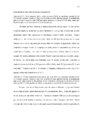
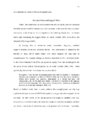
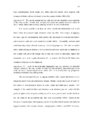
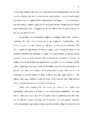
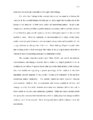
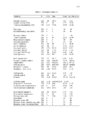
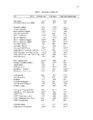
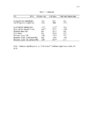
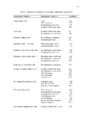
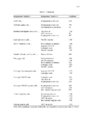
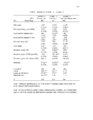
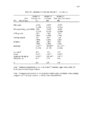
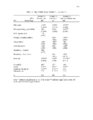
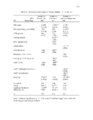
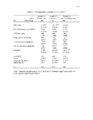
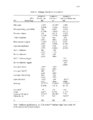
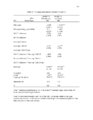
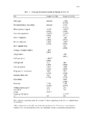
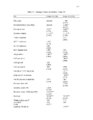
Show 107 applies; if it is statistically significant, the null hypothesis that no random effects are present can be rejected.26 The results of these tests have been included in the tables for this chapter. If both null hypotheses are rejected, then one is faced with the choice of FE and/or RE. Choosing between these options can be made using the Hausman specification test or conceptual and model-based justifications, which drive my selection. On the one hand, the Hausman test can be used to compare RE and FE models. The null hypothesis is that the random effects model is preferable (i.e., errors are not correlated with the regressors). If the null hypothesis is rejected, the FE models are considered more efficient, but this test alone should not necessarily be the sole decider. There can be model-based and conceptual justifications driving the decision. For example, if a researcher is particularly interested in a time-invariant variable like gender or ethnicity, or, in my case, party type and EU membership, or if the researcher wants to generalize from the sample to a population, which is appropriate for this project in developing and testing a generalizable explanation of niche parties, RE may still be the preferable model. While I have run and include the Hausman test results for the models in the tables, I still see value in the RE models, and explore both, regardless of what the test suggests. By examining both the FE and RE models, I will obtain the most possible insight about my hypotheses. The remainder of this section will, first, examine models related to the individual hypotheses and clusters of variables presented in Chapter II, and then present the strategic interaction models, both of which are supplemented with vignettes from the interviews. 26 Specifically, the null hypothesis for RE is that individual-specific or time-specific error variance components are zero. |