| OCR Text |
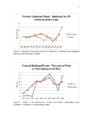
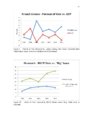
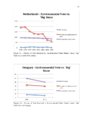
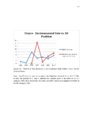
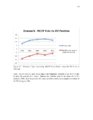
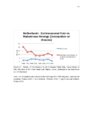
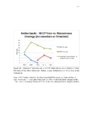
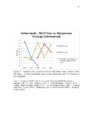
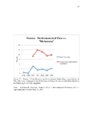
Show 49 ethnic minorities), and unfavorable economic evaluations (de Vreese and Boomgaarden 2005, 64-68). One would expect then that MCCP niche parties would be anti-EU integration, or Euroskeptic, and environmental niche parties would be more supportive of integration efforts. Yet other authors challenge this logic. As Kriesi et al. suggest, "It is the more peripheral parties (on both sides of the political spectrum), rather than parties more central to their party systems, that are most likely to use [Euroskepticism] as a mobilizing issue" (2006, 928). In other words, while one expects the environmental niche to support EU integration as a way to reinforce postmaterialist values and perhaps push for environmental change at the supranational level, the other side expects niche parties to compete for the Euroskeptic vote (Taggart 1998, 372-84). Examining niche parties' positions on the EU will provide a test of Inglehart's thesis: Do environmental parties support EU integration or challenge it? Is there a discernable pattern? This decision to support or oppose EU integration at the national level then suggests that this is a strategic decision made by parties and could lead niche parties (both environmental and MCCP) to compete for support of the euroskeptic vote. Hypothesis 10: Given their competition with the MCCP niche parties for Euroskeptic votes, those environmental niche parties with a lower net scores on EU integration (more Euroskeptic) are more likely to experience less electoral success (percent of the vote, number of seats, and movement by mainstream parties on niche issues). The environmental niche party in France, Europe Ecology-The Greens (EELV) has maintained a positive net-EU percentage (taking the percent of the party manifesto coded with favorable mentions of the EU minus the percent of the unfavorable mentions) since data collection began for the party in 1993. EELV had its highest pro-EU score of 14.6 in 1997 but this coincided with lower percentages of the vote as seen in Figure 16. The same inverse relationship is apparent again in 2002 before it switches to the more |