| OCR Text |
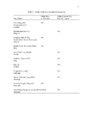
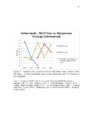
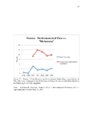
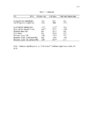
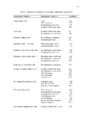
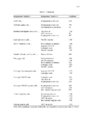
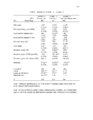
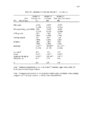
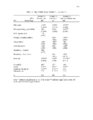
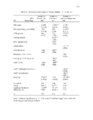
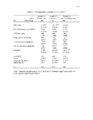
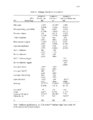
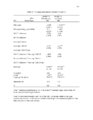
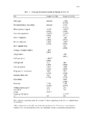
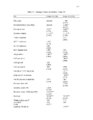
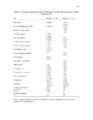
Show 132 result in mainstream parties paying less attention to niche issue by say one to two percent, while other conditions, like rising levels of air pollution, using more fossil fuels to generate electricity, and a growing proportion of the workforce in services are expected to result in mainstream parties paying more attention to niche issues by anywhere between .01 to two percent. What is clear here is that conditions related to the MCCP niche drive down "nicheness" among mainstream parties' platforms, while conditions related to the environmental niche drive up "nicheness" among mainstream parties' platforms. Finally, another variable that does get the top three mainstream parties to dedicate more of their platforms to niche issues is an electoral alliance. Niche parties who are in an electoral alliance, often with one or more of the top three mainstream parties, see the mainstream parties dedicate almost fourteen percent more of their platform to niche issues, which supports H21. This presents an interesting dilemma for niche parties - to join an electoral alliance could cost them seats, as was described in the last section, but, on the other hand, it could get mainstream parties to address the niche issue, both of which are treated as a type of success in this project. Conclusion This chapter, in testing the hypotheses and strategic interaction model, started with the basics of describing the variables and examining the bivariate correlations before moving into more advanced time-series cross-sectional (TSCS) regression modeling that tested the cluster variables and then strategic interaction model. Interwoven with the TSCS models and tests were vignettes from interviews conducted with party officials and elected representations in France, the Netherlands, Denmark, and Hungary. These |