| OCR Text |
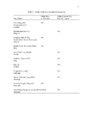
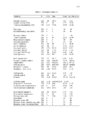
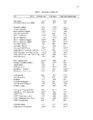
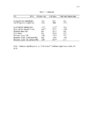
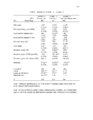
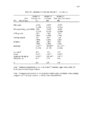
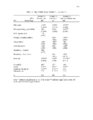
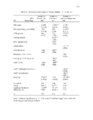
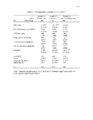
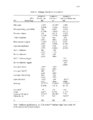
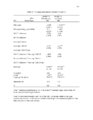
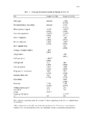
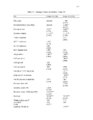
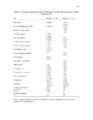
Show 125 Dutch GreenLeft (GL) explains, "We had a terrible year in 2012. Internal fights at the national level. We were really bashed. We went down from ten to four seats. That was a loss. I mean we've always been around seven, eight, nine very stable and then [clap], we took a hit" (2014). In contrast to the cluster-based models in the last section where very few of the socioeconomic variables were significant with the percent of vote dependent variable, here a few coefficients are significant, in the FE models, even if they do indicate a minor impact on electoral success. For example, for every new 1000 foreigners added to the population, the percent of vote a niche party receives is expected to decrease by .006. Likewise, for every extra 1000 tons of carbon dioxide emitted, the percent of vote a niche party receives decreases by .00002. Essentially, it would take a huge refugee crisis, like the one Europe is currently experiencing, or a major environmental catastrophe to reach levels where these factors would have a major impact on voters and thus niche party success. What this could also indicate is that voters are less likely to vote based on the objective socioeconomic indicators, and maybe responding more based on their perceptions of socioeconomic conditions. This is similar to what Bas Eickhout, a MEP from the Dutch GreenLeft (GL), described for other issues facing his party: "Most important of course, is work; employment. I mean that's one of the biggest concerns of people now in the Netherlands. It's also something where the Greens are not naturally being perceived as a trustworthy party. They trust us on green issues. But economic affairs, we have difficulties in becoming a credible party on economic affairs" (2014). He went on to explain how the party is trying to create links between the economy and environmental issues and also |