| OCR Text |
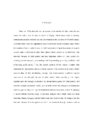
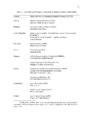
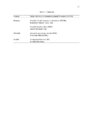
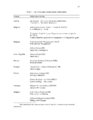
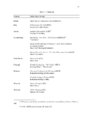
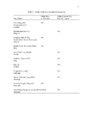
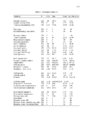
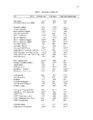
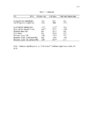
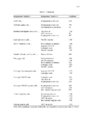
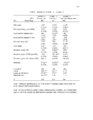
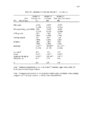
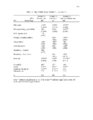
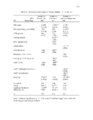
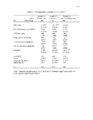
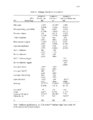
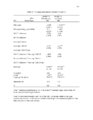
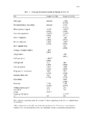
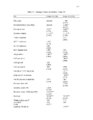
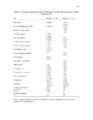
Show 93 variables. To represent and control for the institutional explanation, I included seven measures: a series of three dichotomous variables to indicate the type of electoral system (proportional representation, majoritarian/plurality, or mixed); a dichotomous variable to indicate if the country has a federal versus unitary setup; the percent of the vote the niche party received in the most recent election for the European Parliament (EP) that preceded the national election; the number of seats the niche party received in the most recent election for the European Parliament (EP) that preceded the national election; and finally, the electoral threshold to gain representation (legal, but if non-existent, then the natural threshold was calculated). For the socioeconomic explanations, I ended up with sixteen variables. For many of the socioeconomic variables I have included more than one measure or indicator to see if one better captures the conditions and helps explain variation in the electoral fortunes of niche parties. For example, I have two measures to try and best capture conditions associated with the MCCP niche - one that looks at the annual inflows of foreigners and another that looks at the overall stock, or presence, of international migrants as a percentage of the total population. In the upcoming models, I experimented by trying each of these measures to see how they responded to each of the dependent variables. As for each area of the socioeconomic cluster, to estimate the economic conditions I included six measures: the annual inflation rate (as a percentage); the annual gross domestic product (GDP) growth (as a percentage); the unemployment rate (as a percent of the total labor force); and additionally, each of these in a lagged version of time minus one year (t-1). To measure the niche issue of the environmental and MCCP parties six variables were collected: the international migrant stock of a country (as a |