| OCR Text |
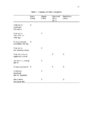
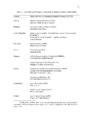
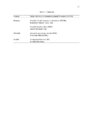
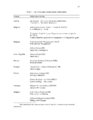
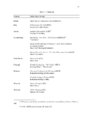
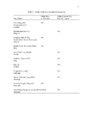
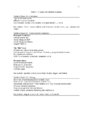
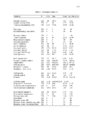
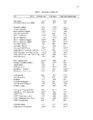
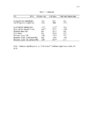
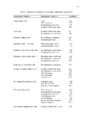
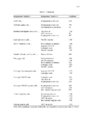
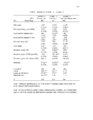
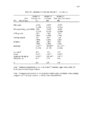
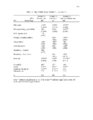
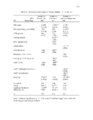
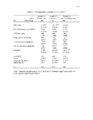
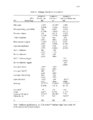
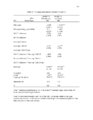
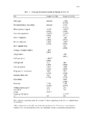
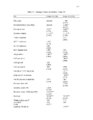
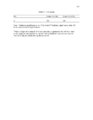
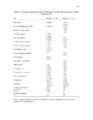
Show 16 parties. For CEECs, therefore, I primarily focused on their postindependence agendas to determine eligibility. The final lists of parties included in this project are in Tables 2 and 3.7 I employ these two criteria in order to ensure that the included niche parties are starting from the same place, which will then allow me to chart their careers, to see if and how they change overtime, where they diverge, and what this means for the electoral fortunes of niche parties. Out of the pool of potential environmental niche parties, only a few failed to meet the criteria. The list of parties and the grounds for their exclusion are outlined in Table 4. The Socialist People's Party (SF) of Denmark and the Youth Party-European Greens (SMS-Zelini) of Slovenia, while both current members of the European Green Party (EGP), were not originally created as environmental niche parties, but rather, both added environmental issues to their platforms later on. SF was created in 1959 by a former leader of the Communist Party of Denmark to offer a third way between social democracy and Soviet Communism, but it did not adopt strong elements of green ideology until the 1970s (Derry 2000, 363; Hudson 2012, 159-160). The Youth Party of Slovenia was formed in 2000 but its decisions to become green-oriented, join the EGP, and change its name by adding the hyphenated European Greens did not occur until 2009 (European Green Party 2010; Lansford 2014, 1293). On the other hand, after examining key authors like Meguid, Mudde, Art, and de Lange, for example, my list of minority containment/cultural protection (MCCP) niche 7 For this project, my starting point was the parties included in the MARPOR manifesto dataset (Volkens et al. 2014). While MARPOR does not include all the possible environmental and minority containment/cultural protection (MCCP) niche parties in Europe, its manifesto coding variables are central to examining strategic elements of parties. As a result, my list of niche parties is limited to those that included at least one observation in the MARPOR dataset. |