| OCR Text |
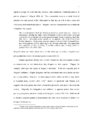
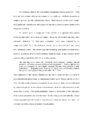
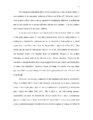
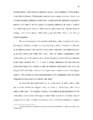
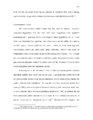
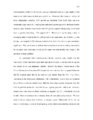
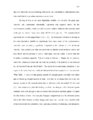
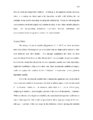
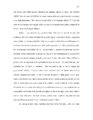
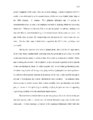
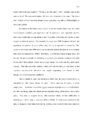
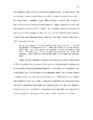
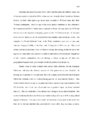
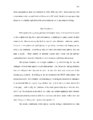
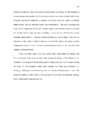
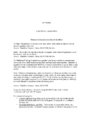
Show 11 as novel, although they may be in some cases. Rather, issues that have been perceived by voters or niche parties as being neglected or inadequately addressed by mainstream parties present opportunities for challenger parties to form and seek office. This emphasis on the "big" niche issue, or cluster of issues, by niche parties is also likely to be accompanied by a bundle of strategic assurances in other policy areas. These often are developed after a niche party has competed in a few elections, and could serve to make the niche party a more attractive coalition partner and could be used to recruit and sustain voters. For example, a niche party may have to engage economic policy by offering assurances to voters that it will not dismantle the welfare state if elected, or will have to take a stance on the European Union (pro or skeptic). Depending on the niche issue, however, the party may be constrained in what assurances it can offer. An environmental niche, for example, would be less able to assure voters that continued economic growth or limited governmental regulation are likely if they have to come at the expense of the environment. On the flip side, niche parties can also be penalized for deviating too much from their core issue by expanding their platform or offering too many strategic assurances. These additions can be seen as coming at the expense of the niche issue. Overall, the extent to which niche parties offer strategic assurances, expand their platforms in order to be more attractive to voters, and maintain dedication to their original issue are all strategic decisions. This is an integral part of both expanding the strategic explanation and developing the strategic interaction model. In line with the dynamic emphasis, it is important to note that the parties to be included in this analysis were, at their creation, niche parties. This may not, however, hold true for the entire lifespan of the parties because political parties can change over the |