| OCR Text |
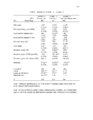
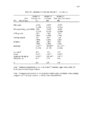
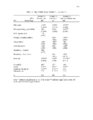
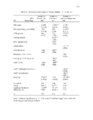
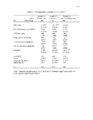
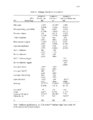
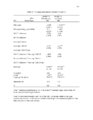
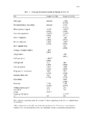
Show 153 from maintaining or increasing their dedication, but the same is not true for environmental niches where it appears that being "too green" comes at a cost. First of all, running as part of an electoral alliance or pre-election coalition (PEC) does not help MCCP and environmental niche parties achieve higher levels of electoral success. In particular, niche parties in electoral alliances are expected to get about five fewer legislative seats than they might have otherwise. It could be that niche parties get lost in the shadow of the electoral alliance or its key members (Ibenskas 2015). Moreover, allocating fewer seats to niche parties in an electoral alliance could be a product of the postelection negotiations, where alliance members determine seat distribution based on the election results. The strength and superior negotiation skills of other, possibly mainstream, parties that are in the electoral alliance could be part of the explanation. The case of the Hungarian environmental niche parties, presented in Chapters II and III, where one, Dialogue for Hungary (PM), ran as part of the Unity Alliance while Politics can be Different (LMP) ran individually in the 2014 election supports this finding. PM was only awarded one of the alliance's 38 seats while LMP secured five seats. Secondly, as hypothesized, niche parties that have participated or supported a governing coalition since the last election also experience a small decline in their electoral success (Boy 2002; de Lange 2008; Rudig 2001). Niche parties with previous coalition experience are expected to lose about one to two percent of the vote in the next election. While that may not seem like a lot, it could mean the difference between the niche party passing the electoral threshold and gaining representation or not. While the vast majority of niche parties with coalition experience occurred in countries with |