| OCR Text |
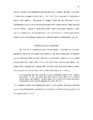
Show 68 Nikolenyi 2014). As defined by Golder, these are "a collection of parties that do not compete independently in an election, either because they publically agree to coordinate their campaigns, run joint candidates or joint lists, or enter government together following the election" (2006, 12). Electoral alliances are more the norm in certain countries like Italy and only happen on occasion in other countries, like Hungary where niche parties competed as part of an alliance on one single occasion. An electoral alliance may be a way for a niche party to extend its reach; the combined campaigning power of an alliance may reach more of the electorate (Allern and Aylott 2009; Ibenskas 2015). As Ibenskas explains in more detail, "By joining forces through alliances, parties may be able to obtain a higher share of seats even if their share of the vote does not change. By contrast, a failure to form an alliance could lead to lower (or no) legislative representation" (2015, 2). This description of a party's motivation to join an electoral alliance appears to fit the case of France. As Jensen and Spoon explain, "The Greens in France, for example, have joined with the Socialists in pre-election coalitions in parliamentary elections. In doing so, they have shown both their desire to gain votes and seats in parliament as well as the importance of policy as they chose to ally with an ideologically close party" (2010, 178). As a note of caution, for niche parties, who are often smaller political parties, they do have to make sure that they do not get lost in the shadow of a larger partner in the electoral alliance or are seen as compromising too much on their "big" issue. This is a similar concern facing niche parties in governing coalitions (Ibenskas 2015, 6-7). Hypothesis 21: The entry of a niche party (MCCP or environmental) into an electoral alliance will increase the electoral success (percent of the vote, number of seats, and movement by mainstream parties on niche issues) of the niche party in the election. |