| OCR Text |
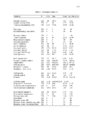
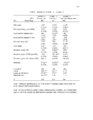
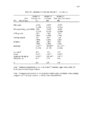
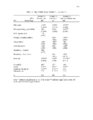
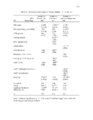
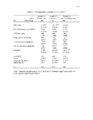
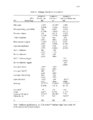
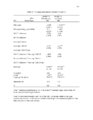
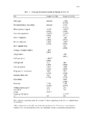
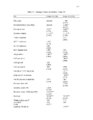
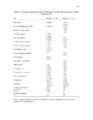
Show 116 Table 15 have a slightly different finding though, where for every one percent increase in the mentions of the MCCP niche issues in the top three mainstream parties' platforms, the percent of vote (.07) and seats (.24) received by niche parties both increase. Yet, when interacted, the combination of the MCCP niche and mainstream parties' platforms becoming more "niche" focused has a slight negative effect (-.004) on the percent of vote a niche party receives. This negative sign for the interaction term is opposite of what the bivariate correlations revealed, but again would be in line with the accommodative or convergence strategy. From Hypothesis 19, it was suggested that the combination of issue dedication by the niche party and an adversarial (i.e., opposing) position by mainstream parties would yield greater electoral success for niche parties but this interaction term was not statistically significant. Insight from interviews in Hungary reveals, though, is that not all mainstream parties react to niche parties early enough that it might be reflected in their party platforms. As Dr. Tamás Meszerics, an assistant professor at Central European University and head of the LMP's (environmental niche party) list for the 2014 European Parliament election describes, when asked what reaction or debate he has seen from mainstream parties, At this moment, not yet. Which is, I think it's going to change in the last month of the campaign. For them the best strategy so far was just to ignore [us] and be all together as a non-player and that's basically how it could work for them, but now we have consolidated the opinion poll results … and therefore have to take it seriously. So I expect some more debate or even attacks in the last three weeks. (2014) For the MCCP niches in Hungary, who have more elections under their belts than the environmental niche parties, the mainstream parties have responded to niche success. The earlier MCCP niche, the Justice and Life Party (MIEP), emerged shortly after |