| OCR Text |
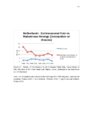
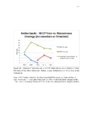
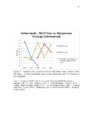
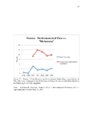
Show 65 Governing Coalitions Whether or not a niche party has participated in the government as part of the governing coalition, whether as a full participant with cabinet positions or in a supporting "kingmaker" role without cabinet positions, has the potential to impact a niche party's future electoral success, and including niche parties in coalitions is an increasingly utilized option (Akkerman and de Lange 2012; de Lange 2012). As Albertazzi and Mueller explain, "The electoral strength of populists, coupled with the corresponding erosion in support for mainstream parties, has meant that they (together with former ‘outsider' parties, such as the Greens) are increasingly accepted as coalitions partners by mainstream parties, or are at least being asked to provide external support to governments" (2013, 344-5). While there are more opportunities for niche parties to potentially participate in a governing coalition, it is not necessarily clear if this helps or hinders future electoral success. On the one hand, it is logical that participating in governing coalitions is a way for niche parties to gain some credibility, challenge the often negative perceptions some voters have of, especially, MCCP niches, and show themselves as a viable option to effectively govern the country. However, much of the evidence seems to support the opposite effect for niche parties. In other words, participating in a governing coalition will require compromise, perhaps too much, and niche parties can be pressured to expand their scope. As Sarah de Lange explains, Radical right-wing populist parties in government are faced with a fascinating paradox. They either have to adapt to their new role as government parties, and risk to alienate (some of) their supporters, or maintain their profile as radical right-wing populist parties, which is most of the time incompatible with the responsibilities that come with an executive position. (2008, 88) |