| OCR Text |
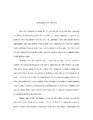
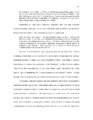
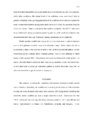
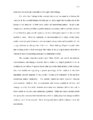
Show 9 My conceptual formulation draws from these previous works on niche parties. I start similarly to the minimalist definition of Meyer and Miller (2015) that the "niche" issue is perceived by voters as being neglected or inadequately addressed by mainstream parties, but disagree on two points, and hence add one other condition-that niche parties have a narrow focus or limited party platform. I start my conceptualization at a similar point as the minimalist definition, which is that niche parties utilize an issue that is perceived by voters as being neglected or inadequately addressed by mainstream parties, or perceived by niche parties as a missed opportunity to mobilize voters, because this provides a high level of flexibility. This permits the inclusion of niche parties who are new or old, who compete on economic or non-economic issues, who compete along the traditional left-right or new politics cleavages, and those niche parties that may move between categories. Essentially, the minimalist conceptualization does not get bogged down in the debates and assumptions of many other definitions. Given my interest in seeing how and in what ways niche parties and their strategies change over time, keeping these features open will provide the most insight. However, I see two key weaknesses to the minimalist definition as presented by Meyer and Miller (2015). First of all, I disagree with the implication that a niche party ceases to be a niche party when its issue is emphasized or addressed by a mainstream party (Meyer and Miller 2015, 261). This is more in line with existing strategic explanations that place the electoral fate of niche parties in the hands of mainstream parties. In other words, Meyer and Miller (2015) consider it a niche issue until acted upon by mainstream parties, but this leaves no room for agency or strategy on behalf of |