| OCR Text |
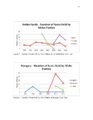
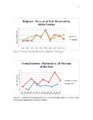
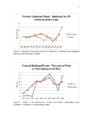
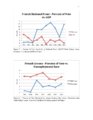
Show 39 niches' "big" issues, and Inglehart's postmaterialism. Economic Conditions The economic conditions of a country may help explain the electoral fortunes of niche parties (Golder 2003; Jackman and Volpert 1996; Lewis-Beck 1988; Lubbers and Scheepers 2000; Lubbers and Scheepers 2002; Lubbers et al. 2002). According to Golder, "We do know that economic conditions shape electoral outcomes … Electorates are strongly affected by global economic fluctuations (real or perceived) and … economic indicators (objective or subjective) do account for much of the variance in government support" (2003, 439). Economic conditions, as previously noted, are expected to affect niche parties differently due to the issues they emphasize and the conditions under which voters might consider voting for a niche party. As Meguid explains, "Green party vote is expected to be positively correlated with GDP per capita and negatively correlated with unemployment. The relationships are the opposite for radical right party support" (2005, 353). One would expect, in other words, for high levels of unemployment, high inflation, and declining GDP to favor MCCP niche success whereas one would expect the opposite set of conditions to favor environmental niche success. Hypothesis 5: As the GDP growth rate increases, the electoral success (percent of the vote, number of seats, and movement by mainstream parties on niche issues) of environmental niche parties will increase whereas the electoral success of MCCP niche parties will decrease. Hypothesis 6: As the unemployment rate increases, the electoral success (percent of the vote, number of seats, and movement by mainstream parties on niche issues) of MCCP niche parties will increase whereas the electoral success of environmental niche parties will decrease. |