| OCR Text |
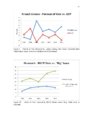
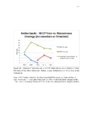
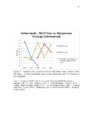
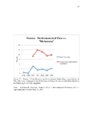
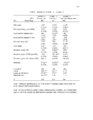
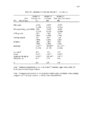
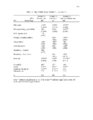
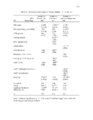
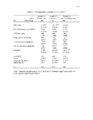
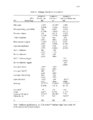
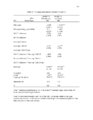
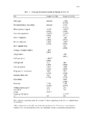
Show 115 threshold, as seen in many proportional representation systems, and gaining representation or not. The impact of splitting a party can be illustrated by looking at Denmark. Denmark's Progress Party, a party that did not start off as a MCCP niche party but adopted strong MCCP elements later on, split. After a long internal power struggle coinciding with a decline in the electoral success of the Progress Party, members led by Pia Kjærsgaard broke off and created the new People's Party (DF). The DF received more than double the percent of vote and number of seats that the Progress Party concurrently received in the 1998 and 2001 elections. The Progress Party has not competed in national elections since 2001. Part of the reason behind the split appears to have been over whether or not to compromise or form broad agreements with mainstream parties. Mogens Glistrup, party founder, and his Progress Party were against it but Kjaersgaard and the People's Party were more pragmatists and willing to negotiate with other parties to achieve political results (Widfelt 2000, 489). This choice could be part of the reason why the DF was a supporting party of the Liberal (V) and Conservative (KF) government from 2001-2011. The impact coalition experience has on the electoral fortunes of niche parties will be further explored in the next section. Secondly, there is some support, in Model 6.1 and 6.2, that the decisions by mainstream parties can impact the electoral fortunes of niche parties. For every one percent increase in the mentions of the environmental niche in the top three mainstream parties' platforms, the percent of vote (-.06) and seats (-.19) received by niche parties both decrease. This result is in line with the accommodative strategy mainstream parties can employ, as explain in Chapter II, to try to coopt the niche issue (H16). The models in |