| OCR Text |
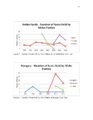
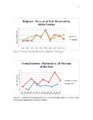
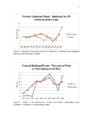
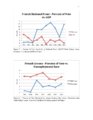
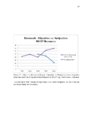
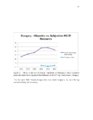
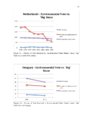
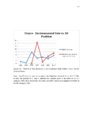
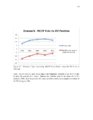
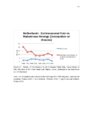
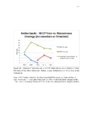
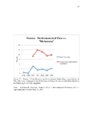
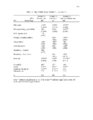
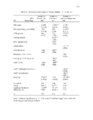
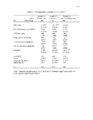
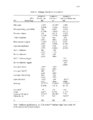
Show 38 an increase in percent of the vote received in the European Parliament corresponds with a decrease in the percent of vote received in the next national election and vice versa. The relationships seen in the case of France, one expected and one unexpected, perhaps reveal that second-order European Parliament elections matter more for certain niches, like the environment niche parties whose issues require more collective, region-wide solutions, rather than national ones. This is a point to further consider and test with more advanced techniques in Chapter III. In summary, institutions such as the electoral system, effective threshold, and state structure are formal rules of the game that are expected to provide opportunities or constrain all niche parties in a similar fashion. As noted, the institutional explanation is limited in its explanatory power by its constant nature, which makes it difficult to explain variations in electoral success, so focus should be placed on moments of change, such as the electoral system in France and federalism in Belgium, or use these factors to compare across countries. While there are limitations with this explanation, a key point moving forward, and where the value lies, is that institutions are part of the context in which the strategies of parties will play out. Variable Cluster #2-Socioeconomic Conditions A second set of explanations looks at socioeconomic conditions. These factors can determine how appealing voters find a party, and the ability of a party to mobilize support around conditions and issues (Dalton 2006; Golder 2003). Unlike the institutional approach, socioeconomic factors can affect niche parties differently. The categories of variables based on these explanations include: economic conditions, the |