| OCR Text |
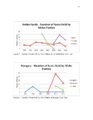
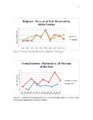
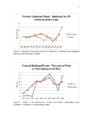
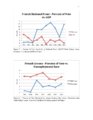
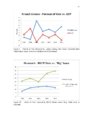
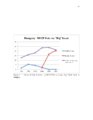
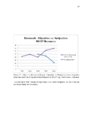
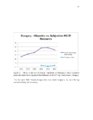
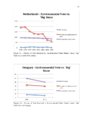
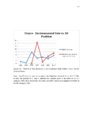
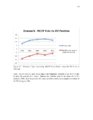
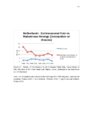
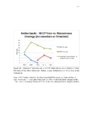
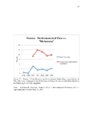
Show 43 the study of MCCP niche parties in Europe, but it does necessitate finding appropriate variables for my models - ones that could encompass migrants or other minority populations (Lyberaki et al. 2008; Mclaren 2003; Pettigrew 1998). While too recent of a development to be captured by the included data, it is worthwhile to note that the situation, described above, is rapidly changing with the waves of thousands of refugees and asylum seekers coming into Europe largely from Syria. Countries like Hungary are struggling to accommodate the inflows of refugees, and in some ways, downright refuse to compromise on, for example, a quota allocation between EU member states (Nolan 2015). As this is an unfolding situation, it remains to be seen what short and long term impact this will have on parties and electoral competition, especially in Central and Eastern Europe, where these are new challenges. Hypothesis 8: As the number of minorities, as a percentage of the total population, or the inflow of a foreign population in a state increases, the electoral success (percent of the vote, number of seats, and movement by mainstream parties on niche issues) of MCCP niche parties will increase. To explore the minority measures in relation to votes received by MCCP parties in Western versus Eastern Europe, Figures 10 and 11 provide insight from the cases of Denmark and Hungary. Figure 10 charts the electoral success of the Danish MCCP niche party - the People's Party (DF). What is of interest is that the emergence and increasing percentage of the votes received by the People's Party from 1998 to 2001 coincides with a small spike in the inflow of foreign population, but this does not hold for a later (2007 to 2011) and more substantial spike. The DF actually sees a small decline in the percent of vote received over the same time period. In the case of Hungary, there are two MCCP niches. Like the DF, the emergence and early success of the Justice and Life Party (MIEP) from 1994 to 1998 corresponds to |