| OCR Text |
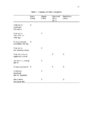
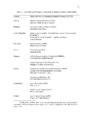
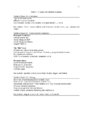
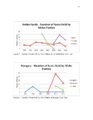
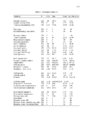
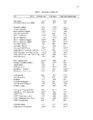
Show 4 Research Design To examine my research question and test my strategic interaction model, I employ a mixed-methods research design. One portion is quantitative. I collected data on the relevant institutional, socioeconomic, and strategic variables that comprise the strategic interaction model, across the states of the European Union over time. Using statistical analysis like time-series cross-sectional (TSCS) regression, I am able to have a wider scope (i.e., include more cases). Additionally, this technique allows me to examine between and within these cases over time, and allows for the development of relatively strong generalizations about the impact of specific variables. While I include interaction terms (which are meant to capture the interplay that two independent variables together have on the dependent variable) in my statistical analysis, this also highlights a limitation of the quantitative method. A central component of the strategic interaction model is including multiple interactions-those between strategy and context, the dynamics between mainstream and niche strategies, etc.-but regression output can only test one variable or interaction term at a time while holding the rest of the independent variables constant. Furthermore, including too many interaction terms can also create other complications like multicollinearity. In an attempt to obtain insight and a richer understanding of the multiple interactions at work and add some depth, the quantitative portion is supplemented with semistructured interviews with party officials and elected representatives in four case study states: France, the Netherlands, Denmark, and Hungary. These cases have been selected because they each have niche parties that compete in elections albeit with varying electoral success and impact on the government. These states capture the |