| OCR Text |
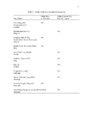
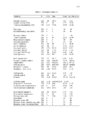
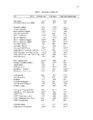
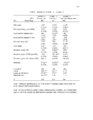
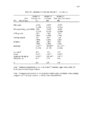
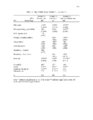
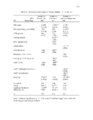
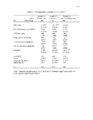
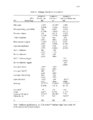
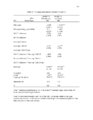
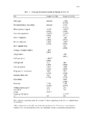
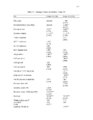
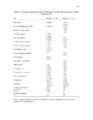
Show 98 scale where the closer the coefficient is to -1 or 1, the stronger the relationship), and the direction (positive or negative). They cannot identify the direction of causation (i.e., if the independent variable is causing the dependent variable or vice versa). Finally, it is impossible to control for other factors, so associations that appear strong in bivariate correlations may disappear when other factors are introduced with more advanced techniques. Each of the dependent variables will be discussed and variable clusters with strong associations will be explored. Percent of Vote In looking at the categories of variables, the most statistically significant bivariate correlations to this first aspect of electoral fortunes, the percent of vote received by the niche party, come from the strategic variables. The presence of a rival or splinter party competitor has a negative relationship (r = -.159), indicating a decrease in the percent of vote received in the presence of one or more rival parties. In contrast, coalition experience, having supported or participated in the governing coalition since the last election, has a positive association (r = .152), meaning an increase in the percentage of votes received. Additionally, the dedication to the "big" niche issues (i.e., "nicheness") seems to matter but the signs vary by the type of niche. As the percent of a niche party's platform dedicated to MCCP issues increases, so too does the percent of the vote (r = .326), while the opposite is true for dedication to environmental issues (r = -.411). This same trend is apparent in looking at the three interaction terms of niche dedication with mainstream attention paid to niche issues, all of which are also statistically significant. The sign based on the MCCP interaction is positive (r = .274) whereas the sign for the |