| OCR Text |
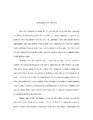
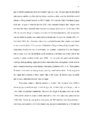
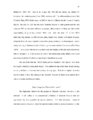
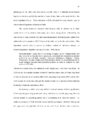
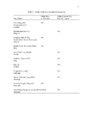
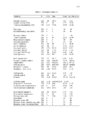
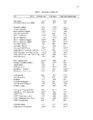
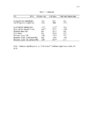
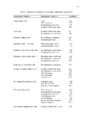
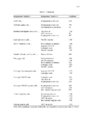
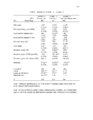
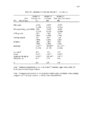
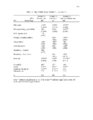
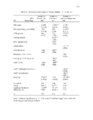
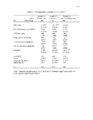
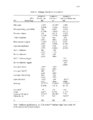
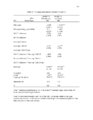
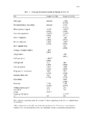
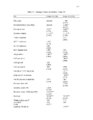
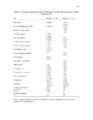
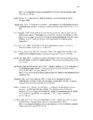
Show 103 the range of independent variables, it is also useful to examine the correlations between the independent variables. Not only can these provide glimpses of the characteristics of parties and countries, for example, but they can also be an early warning of potential multicollinearity, of which this project has not suffered from high or concerning levels.23 The remaining correlations reveal details about countries and parties.24 In terms of countries, for example, those countries that joined the European Union (EU) during the 2004-2013 expansions, who are primarily from Central and Eastern Europe, are associated with lower GDP per capita (r = -.605), lower expenditures on social protection (r = -.705), lower employment in services (r = -.603), higher unemployment rates (r = .211), and due to their less economically developed status relative to older EU member states from Western Europe, less CO2 emissions (r = -.325) and less inflow of foreign population (r = -.337). These correlations do highlight many of the key differences between newer and older EU member states. In looking at another example, the type of niche party, the niche environmental parties are more likely to have participated in an electoral alliance (r = .230), they dedicate less of their party platform to MCCP issues (r = -.759) and more of their party platform to environmental issues (r = .523), which is as expected. The environmental niche parties are also associated with a more left position on a left-right ideology scale (r 23 Multicollinearity is how much of the variation in one independent variable is highly correlated with another independent variable. While we want the independent variables to explain variation in the dependent variables in regression models, having independent variables correlated with each other, especially as it approaches perfectly correlated levels can result in numerically unstable estimates of the regression coefficients (i.e., react erratically to small changes). For example, the correlations between postmaterialist variables are relatively high: GDP per capita and employment in services (.755), GDP per capita and social protection expenditures (.621), and employment in services and social protection expenditures (.723). This indicates that perhaps I should not include all of them together in the same model, or at the very least check for higher order versions of multicollinearity using variance inflation factors (VIFs). 24 These two independent variables are dichotomous and coded as follows: 1) EU membership: 0 = joined before 2004, 1 = joined 2004 or later; 2) Party type: 0 = MCCP niche, 1 = environmental niche. |