| OCR Text |
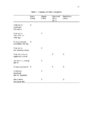
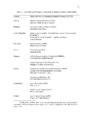
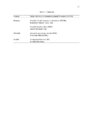
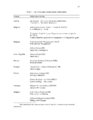
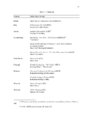
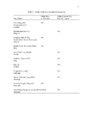
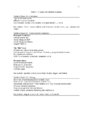
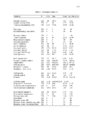
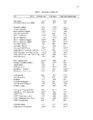
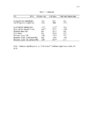
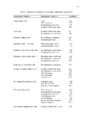
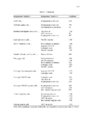
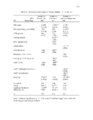
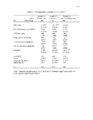
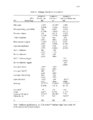
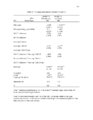
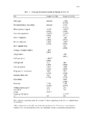
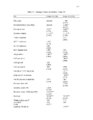
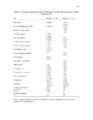
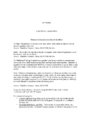
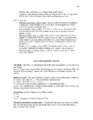
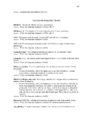
Show 8 To summarize, there is still considerable disagreement among researchers. There is debate over whether niche parties compete on the traditional Left-Right dimension or compete on novel, usually noneconomic, issues. There are also debates as to whether these parties are distinctly new and young or if they have existed in various forms over a longer period of time. Yet another group is comprised of the scholars who approach niche parties differently than either of the other two camps. Meyer and Miller offer what they call a minimalist definition: "A niche party emphasizes policy areas neglected by its competitors" (2015, 261). This definition does not take a side on the traditional versus new dimensions debate. The authors argue that restricting niche parties to noneconomic issues is unnecessary and that while economic nicheness might be rare, it should not be excluded (Meyer and Miller 2015, 261). As they explain, The idea that niche issues are necessarily novel (Meguid) assumes that all attractive ‘old' issues are occupied by mainstream parties … Parties might be able to revive old topics that have largely vanished from the policy profiles of their competitors … Requiring niche issues to be ‘novel' thus unnecessarily restricts the scope of niche parties. (Meyer and Miller 2015, 261) One implication of this minimal definition is that "niche parties can lose their status if rival (mainstream) parties react by emphasizing similar issues" (Meyer and Miller 2015, 261). In other words, if an issue is neglected it can become a niche, but once addressed by mainstream parties the issue becomes mainstream, which ties niche status more to the issues than to parties. This seems problematic because what becomes of the niche party if the mainstream parties take over the issue? Do the niche parties automatically become mainstream parties just like the niche issues become mainstream issues? See Table 1 for a comparison of the various definitions of niche parties. |