| OCR Text |
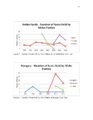
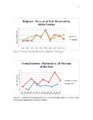
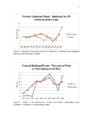
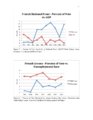
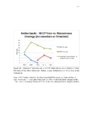
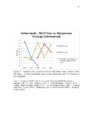
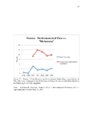
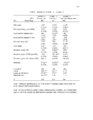
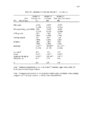
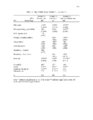
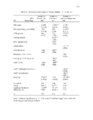
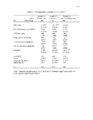
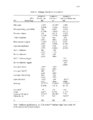
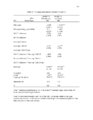
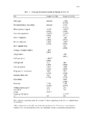
Show 164 Secondly, the newer European Union (EU) member states (the thirteen states, out of twenty-eight) who joined in 2004 or later and are primarily from Central and Eastern Europe, see their niche parties get fewer seats, upwards of 10 fewer seats, than their Western counterparts. Does the age of the niche parties contribute to this difference? Environmental and MCCP niches have competed in Western Europe since the 1970s but this is a newer development in the party systems of the EU's later members. At the same time, however, there is a lot of variation between countries and exceptions to this. For example, the French National Front, in the West, consistently gets zero or one seat, whereas Hungary's Jobbik, in the East, took 47 seats in the 2010 election. This could instead indicate the presence of outliers that are driving this finding, or that the size of the legislative houses (the total number of available seats) needs to be examined. Regardless of the possible explanations for this finding, a closer comparison of these two geographical regions could yield insight into the trajectories of niche parties. Finally, there is some evidence that second-order elections, for the European Parliament, influence the electoral success of niche parties in national elections. In looking at the percent of vote and seats that a niche party received in the last European Parliament election, there is a corresponding gain in the next national election. This would indicate that niche parties can gain experience, exposure, and representation at the EU level that will trickle back down and have a positive impact on future national elections. The only reservation I have about these findings is due to data limitations. The models including the European Parliament variables dropped to an n of 98, losing critical degrees of freedom. The reason the number of observations is so small is due to the fact that for the thirteen members that joined the EU since 2004, they only have, at most, |