| OCR Text |
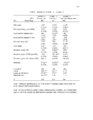
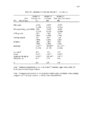
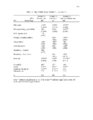
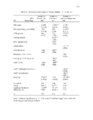
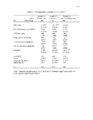
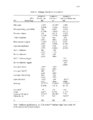
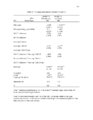
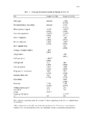
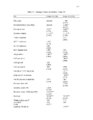
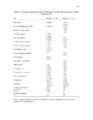
Show 129 more recently seen niche parties emerge. In Hungary for example, the environmental niche has only been around long enough to compete in two national elections. Perhaps with time and experience for the niche parties, this difference will shrink. The last area to discuss is how success in European Parliament elections impacts national success. For both the percent of votes dependent variable and the seats dependent variable, there were models that flagged this independent variable as statistically significant and the sign was always positive, in line with H4, meaning that success in the last EP elections fed success in the next national legislative election, in some models nearly at a 1:1 ratio. These models, however, were not included in Tables 16-17 because the number of observations (n) fell to 98, slightly below the accepted 100 observations minimum. The reason the number of observations fell below 100 is due to the fact that for new EU member states, they have at most three EP elections in which they could have participated. The data are not sufficient yet, given my included niche parties, so while there is a lot of potential with this finding, it is still tentative and needs to be further examined. More support for this finding also comes from the interviews. When asked if the European Parliament elections in 2014 would provide an electoral boost for the Danish People's Party in the next national election, which ended up occurring in June 2015, Søren Espersen, Foreign Policy Spokesman and Deputy Chairman of DF said. "Yeah, because many of the things that have been discussed at the new [European Parliament] election are very important on the national level as well" (2014). |