| OCR Text |
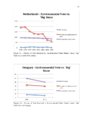
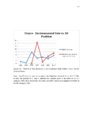
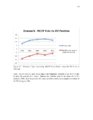
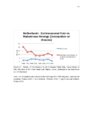
Show 31 Electoral systems are, however, predominately constant, meaning that changes do not occur frequently. As a result, this factor will be better at explaining variance across countries rather than over time within a single country. The Netherlands, for example, has a PR electoral system, yet the MCCP niche party, Party for Freedom (PVV), has averaged 10.5 percent of the vote across the three elections it has participated in while the environmental niche, Green Left (GL), has only averaged 5.1 percent of the vote across its eight elections. They compete in the same electoral system but have varied levels of electoral success, which means other variables must be considered. While electoral systems are primarily constant, there have been cases when electoral rules were changed: France in 1986 and 1988; Italy in 1993 and 2005; Bulgaria in 1991, 2009, and 2011; and Romania in 2008 (Boy 2002, 65; "Electoral System Change in Europe since 1945"; Fella and Ruzza 2006; Newell 2000, 476; Norris 2005, 110-111, 236-238). To illustrate, just prior to the 1986 and 1988 legislative elections, the French government switched first from a majoritarian, two-ballot system to a PR system and then back to the two-ballot system (Blais and Loewen 2009; Boy 2002, 65; Elgie 2005, 120). The effects of this change were dramatic, especially for the minority containment/cultural protection (MCCP) niche. In comparing pre and post electoral results for the National Front (FN), for example, the FN won 9.8 percent of the vote in the 1986 election and received 35 seats in the National Assembly under the PR system. With a return to a majoritarian system in the next election (1988), even though the FN won a similar percentage of the total votes, 9.7 percent, it only received 1 seat (Norris 2005, 110-111, 236-238). The loss of 34 seats was a significant defeat for the FN. The environmental |