| OCR Text |
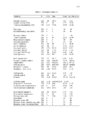
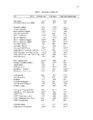
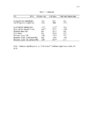
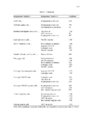
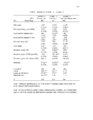
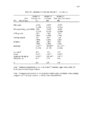
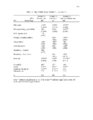
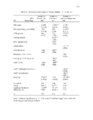
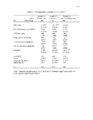
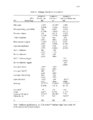
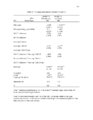
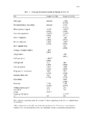
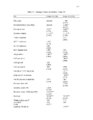
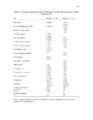
Show 133 interviews provided depth and additional insight to the findings. One of the key findings is that strategic choices are important in explaining the variation in the electoral fortunes of niche parties, and a significant contribution of this project is the inclusion of both niche parties and mainstream parties. In particular, competing in an electoral alliance, participating in a governing coalition, and the presence of a splinter/rival party can all negatively impact a niche party's percent of the vote and number of seats. Moreover, especially for environmental niche parties, if their party platforms are too green it can also dampen support among voters and the parties will see a slight decrease in their percent of the vote. These findings all point towards niche parties being actors in their own right rather than, as the existing literature described in Chapter II, mere objects being acted upon by mainstream parties. The strategic interaction models (see Tables 16-18), that include institutional, socioeconomic, and strategic variables, have a better (i.e., larger) goodness of fit, as evidence by the various R-squared results, than any of the other models, which indicates that these models are explaining a greater percentage of the variation in the three dependent variables (percent of vote, number of seats, and "nicheness" of the top three mainstream parties' platforms). The specific interaction terms, however, between socioeconomic variables, like unemployment and foreign population inflows, and strategic variables, like niche platforms and mainstream platforms, did not fare well in these models as very few were statistically significant. While the interaction terms failed to impress, the results (or lack thereof) were useful in highlighting what changes could be made as part of future research. These findings and others will be elaborated on in the next chapter. |