| OCR Text |
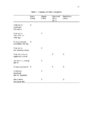
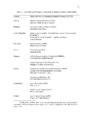
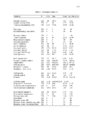
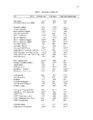
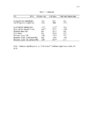
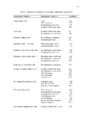
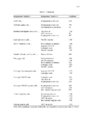
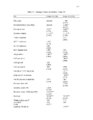
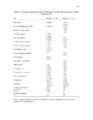
Show 92 mainstream parties in these countries for a total of twenty-one recorded interviews. I was unsuccessful in securing any in-person interviews, with mainstream or niche parties, in one of my case study states: France. For this case, I have instead relied upon publically available interviews. This mixed-methods research design, built on statistical analysis and interwoven with interview material, provides both breadth and depth while also providing the most effective route for testing the strategic interaction model. This chapter proceeds as follows: a discussion of the variables, bivariate correlations, and time-series cross- sectional (TSCS) regression models augmented by the interview material. Variables I included three different dependent variables, each addressing a different aspect of a niche party's electoral fortunes: the percent of the total votes received by the niche party in the national (lower house) legislative elections; the number of seats acquired by the niche party in the national legislature from the election; and the sum total percent of the top three mainstream parties' platforms dedicated to the environmental and MCCP niches. 22 This third dependent variable, often referred to in this chapter as the "nicheness" of mainstream parties' platforms, is meant to capture a more indirect aspect of success-whether or not mainstream parties react to the niche parties by changing their party platforms. In terms of independent variables, I collected data on thirty-five relevant 22 These top three mainstream parties were selected by looking, over time, at what parties win the most votes in elections. Included is at least one party that is more to the right (a likely competitor for MCCP niche parties), one party that is more to the left (a likely competitor for environmental niche parties), and then just the overall third most electorally successful party in the country (could be right, left, or moderate). |