| OCR Text |
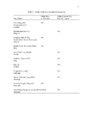
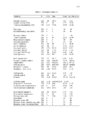
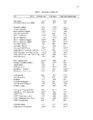
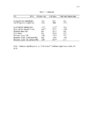
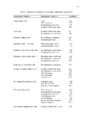
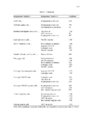
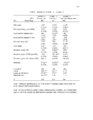
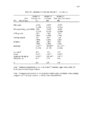
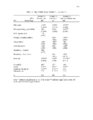
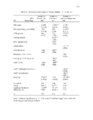
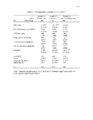
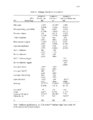
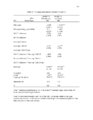
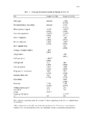
Show 126 build credibility from the local to national to European levels. Eickhout stated, "The second theme is more a classical Green issue which of course, you need to put central … the energy debates - sustainable energy. That is of course, a very nice link. Locally we have a lot of citizens working on creating their own energy, co-operatives, some solo, putting [it] on your own roof, etc." (2014). The perceptions voters have of parties and who they see as best equipped to deal with issues was also echoed by Søren Espersen, Foreign Policy Spokesman and Deputy Chairman of the Danish People's Party (DF), a MCCP niche party, who said, We are very skeptical to the [European] Union and we do want to limit the immigration to Denmark as we can. I think that we have a very clear stand on those things. In the first years of our existence, we were quite alone on that stance. Nowadays, many of the other parties have followed suit. I think the electorate ... know where we stand and they think we have been very consistent. (2014) Finally, it is also important to mention what did not make it into the final models of Table 16, primarily the "nicheness" of the top three mainstream parties' platforms and the interaction of niche and mainstream platforms. None of these were significant in any of the models I ran to test the percent of vote dependent variable, which perhaps indicates a limitation with the independent variables themselves. While there is some evidence that it matters to voters how "niche" a niche party's platform is, in contrast, how much "nicheness" a mainstream party adopts into its platform factors less into voters' decisions. It could be that a war of words (i.e., what parties say in their platforms) matters less to voters than, perhaps, who they perceive as being best able to address the niche issue. |