| OCR Text |
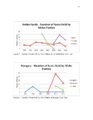
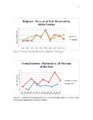
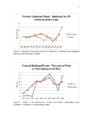
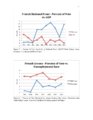
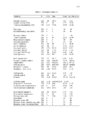
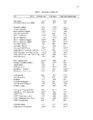
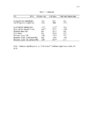
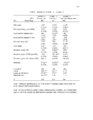
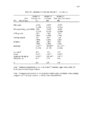
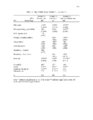
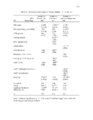
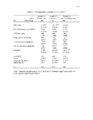
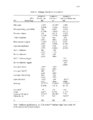
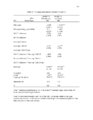
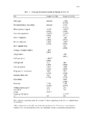
Show 158 this to be positive, that the more successful a niche party is, the more mainstream parties feel pressured to address the issue and possibly reclaim it, but it was just the opposite. The more successful a niche party is, the more mainstream parties cede attention in their platforms to the niche issue. For percent of the vote, it is almost a one to one ratio - a one percent increase in the percent of vote received by a niche party in the last election is expected to decrease mentions of niche issues in mainstream platforms by one percent in the subsequent election. The more electorally successful a niche party becomes, the more mainstream parties recognize, at least on paper, that the ownership of the issue resides primarily with the niche party. While the electoral success of niche parties decreases the attention mainstream parties pay to niche issues in their platform, there is one action that gets mainstream parties to increase mentions of niche issues in their platforms: electoral alliances. Mainstream parties are much more likely to emphasize the niche issue in their platform (around 12-13 percent more of their platform) if the niche party is running in an alliance. Given that the niche party is likely running with one or more of the mainstream parties included in this project, it is logical to assume that mainstream parties adjust their platforms to reflect the broader interests of the coalition, including any niche issues. This point, combined with the previous conclusions on electoral alliances in the last section, means that niche parties face a tradeoff between measures of success. If a niche party runs as part of an electoral alliance, they will likely obtain fewer seats but are more likely to get the mainstream parties to address the niche issue in their platform. If mainstream parties respond more to actions than words, what other actions could be explored as part of future research to obtain additional insight on niche- |