| OCR Text |
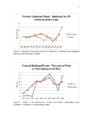
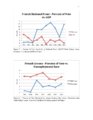
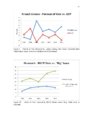
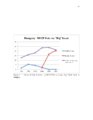
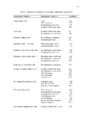
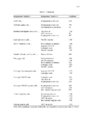
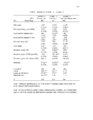
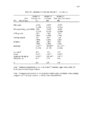
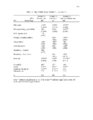
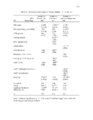
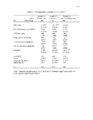
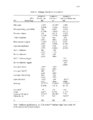
Show 157 a more indirect measure of influence and success whereby the mainstream parties dedicate more attention to the niche issue. Each will be addressed. First of all, as an independent variable, how much mainstream parties emphasize the niche issues in their party platforms had no significant influence over the electoral success, percent of votes and seats, of niche parties. Contrary to Meguid's (2005, 2008) findings, whether mainstream parties attempted to coopt or accommodate the issue, by taking the same position, or took an opposing adversarial stance in their platform, neither achieved the expected result of detracting from niche party success in terms of percent of vote or seats received. While it is a strategic choice, reacting to niche parties in words via party platforms is alone not sufficient to quell the success of niche parties. Secondly, how much mainstream parties highlight niche issues in their party platforms was also treated as a dependent variable, an indirect measure of influence and success whereby niche parties pushed mainstream parties to address their issue. What is of note is that mainstream parties did not react to the party platforms of niche parties in the last election, but rather the prior success of niche parties (i.e., percent of vote and seats received in previous elections). More specifically, no matter how intensely or thoroughly the niche party emphasized its issue in the party platform in the previous election, mainstream parties did not react in kind in the subsequent election. There seems to be a limit on the impact of words - mainstream platforms did not influence the percent of votes and seats niche parties received and niche platforms did not cause the mainstream parties to shift their platforms. Instead, actions appear to have more of an impact. Mainstream parties shifted their platforms based on the electoral success of niche parties in the last election. The direction, however, was surprising. One would expect |