| OCR Text |
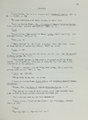
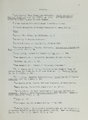
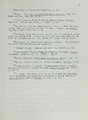
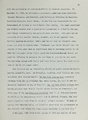
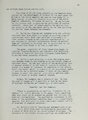
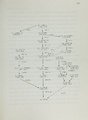
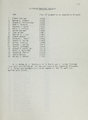
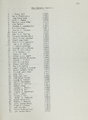
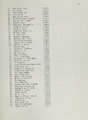
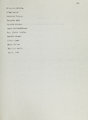
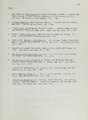
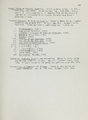
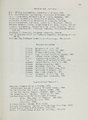
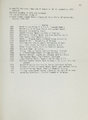
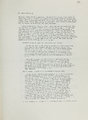
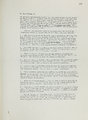
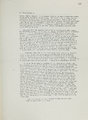
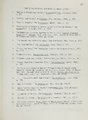
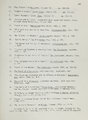
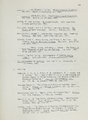
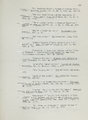
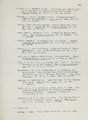
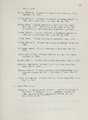
Show 202' 9.9m Several interesting lessons are to be learnt or relearnt from these genealogies. We see, for one thing, how international science is, and how strengths have shifted over the years from one country to another. Scientists have always passed freely across borders and have gravitated to centres where the best work is being done. Before the middle of the last century France was predominant in chemistry, then German chemistry overtook it, and later the centre of gravity shifted to Britain and the United States. Another lesson is the debt that nearly all scientists owe to their teachers. A few, like Faraday and Berzelius, are largely self-taught, but for the most part the knowledge, skills and traditions are passed on from one to another in the teaching process. It is particularly sur- prising that, even when we confineourselvesto major influences, so many modern chemists are descended from one man. There is obviously a lesson to be learnt from the fact that Macquer, although he made no outstanding research contributions, had such a strong influence through his writings and his establishment of a distinguished dynasty. Note: The preceding comments on Eyring's scientific ancestry were extracted from Professor Laidler's paper. The paper also includes the scientific genealogies of Sir Cyril Hinshelwood and E. w. R. Steacie, who are also traced back to Justus Von Liebig. are not included. Dr. Laidler's footnotes For good summaries of the lives and works of the scientists in Eyring's genealogy, see Dictionary of Scientific Biography (Princeton: Princeton University Press, l973). |