| OCR Text |
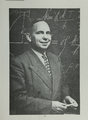
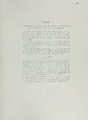
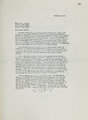
Show l8l One of the disadvantages of leaving the U. of U. is that I do not have stimulating encounters with colleagues to learn from their Wisdom and to keep mentally alert. in both these respects are famous. Your talents This Holiday Season, how- ever, I felt some of the old spart when I read your book The Faith of a Scientist. It has a refreshing point of view which I Will commend in a week at U.C.L.A. Institute of Religion when discussing "Science and Religion." After making some comments on the book, he continued: When in Salt Lake one time I was discussing some problems of early man with you in your office. I then asked: 'How do you believe it was?‘ You replied, 'I believe whichever way it turns out actually to have been.I I have often quoted you on this and it has always found an appreciatigg reception. I regret only that this is left out of your book. These letters are typical of the many which are contained in the files of Henry Eyring; others could be cited to further illustrate the thoughtful and incisively brilliant way Eyring influenced people. Per- haps a thought or two from an address he delivered on 4 December, l979, at the University of Utah shortly after receiving the Berzelius Medal is appropriate to close the subject of science and religion. was called his "Last Lecture." The address The intention of the title was to address the question of what advice one would give if this were one's last lecture. For Eyring, the supreme good, the most lasting thing, would be to bring happiness to as many people as one can for as long as one can. As to how this can be accomplished, he advised to be honorable in all one's doings, to be completely open, to have no secrets; second, make plans by "walking into the future or backing into the future," in other words, don't be so head strong that you can't change; third, work hard and do everything well (he blames this on his mother who took her knitting when she visited); fourth, one should compete only with himself, "the reason people like you is because you're helpful, not because you're smart."57 That philosophy not only made Henry Eyring a folk hero among his brothers |